Groundbreaking Training on Unconscious Bias in Rome
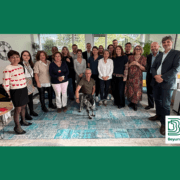
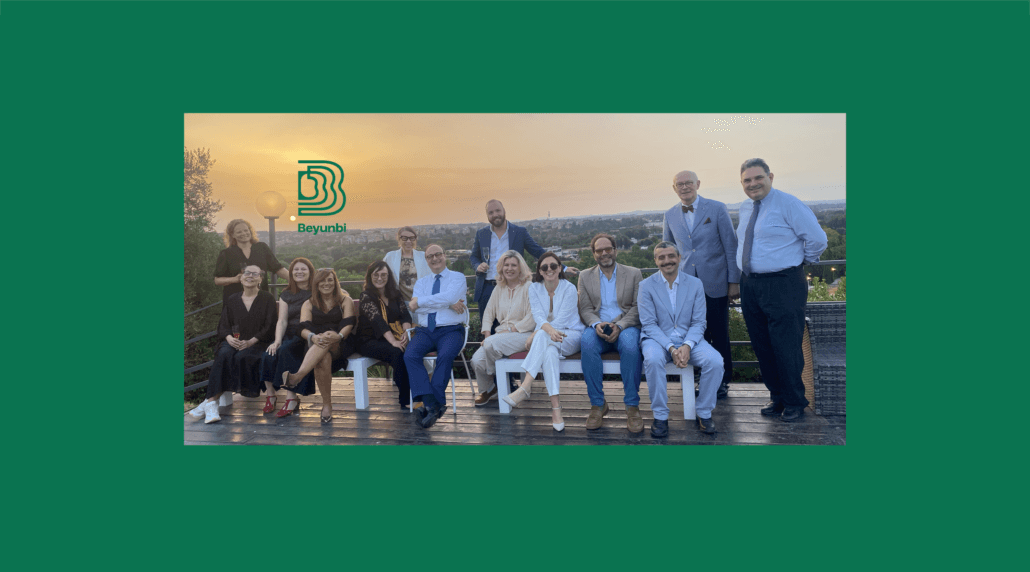
The vibrant city of Rome and our member organisation CIDA Manager hosted the first highly successful face-to-face training session organised by CEC European Managers as part of the European project BEYUNBI (Beyond Unconscious Bias).
The training, led by Barbara De Micheli from Fondazione Giacomo Brodolini, delved into unconscious bias and its impact on professional environments and focused on the managerial perspective of this phenomenon.
Humans are prone to biases due to the need for quick decision-making
About 20 participants came from different EU countries, mainly Italy, but also Germany and Sweden. Despite their diverse backgrounds and working fields, such as the energy sector, the chemical industry, education, or business, they all shared the same experiences when dealing with decision-making and biases, creating a strong sense of connection and understanding among them.
All of the participants were very engaged and actively participated in the training. Their enthusiasm was palpable, and their positive feedback was overwhelming. In the evaluation surveys, 100% of respondents claimed they were very satisfied with the organisation of the training and said they gained relevant knowledge and skills.
Unconscious Bias: Teaching leaders to make better decisions
Humans are prone to biases due to the need for quick decision-making; the training explored various types of unconscious biases, including anchoring, ethnicity, self-centeredness, affinity, confirmation, halo effect, and horn effect.
Generally speaking, unconscious bias in the workplace refers to the automatic, often subconscious, categorization of people based on attributes such as skin color, language, religion, and facts in their appearance, such as tattoos or piercings. These biases can shape perceptions and interactions in the workplace, creating invisible barriers and fostering environments where diversity, equity, inclusion, and belonging are compromised.
Effective communication can reveal shared feelings and emotions, helping to bridge gaps
Also, from a competitiveness perspective, the economic growth and success of a business project can be at stake if unconscious biases are too present in the working place.
In that sense, Barbara De Micheli underscored that unconscious biases result from a mix of different elements starting with the education systems. De Micheli stated that biases in the workplace vary significantly depending on the country. For instance, societal attitudes towards tattoos are evolving, reflecting broader changes in cultural norms and acceptance.
The Impostor Syndrome and Management Challenges
A significant focus of the training was on how unconscious biases contribute to phenomena like impostor syndrome, where individuals doubt their abilities and feel like frauds despite evident success. Managers transitioning from leading people to overseeing entire companies face heightened expectations and challenges.
Understanding and mitigating unconscious biases is essential for them to foster inclusive and supportive work environments.
Managers as Leaders: Catalysts for Change
Effective leadership hinges on the ability to create and sustain inclusive environments. The training emphasized that without a genuine commitment to change from managers, organisational transformation remains elusive. Leaders and managers must have the tools to navigate and implement change, accommodating diverse needs and fostering a sense of belonging among all employees.
People often stick to their selected groups in their personal and professional lives, limiting opportunities to build diverse relationships
Barbara De Micheli
Fondazione Giacomo Brodolini
Regarding trending evolutions in the workplace and the domain of inclusion, the training highlighted four critical elements for inclusive leadership:
- Diversity: Embracing a variety of perspectives and backgrounds.
- Equity: Ensuring fair treatment and opportunities for all.
- Inclusion: Creating an environment where everyone feels valued and heard.
- Belonging: Fostering a sense of community and acceptance within the workplace.
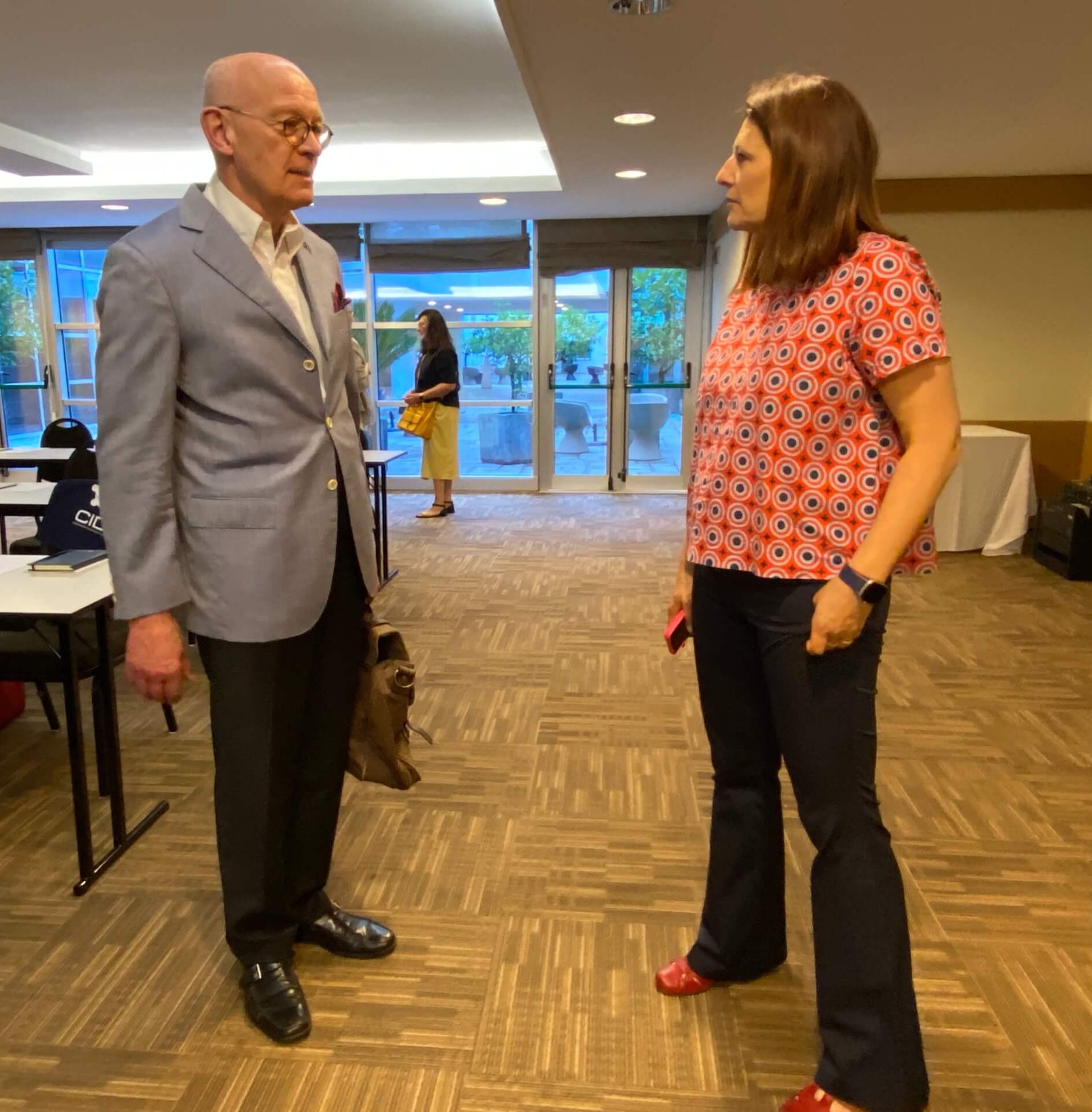
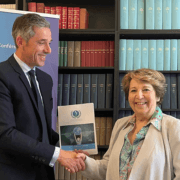
Thomas H. A, Schneider and Barba De Micheli during the training in Rome
Tackling Migration Biases and Technological Challenges
The training also addressed biases related to migration, noting that most migration flows are internal, such as within Africa or the EU. Participants discussed the role of Artificial Intelligence and machine learning in perpetuating biases and how the ongoing AI evolution and human migration movements are interlinked in increasing inequalities, as new technologies and Artificial Intelligence programs often rely on biased data sets.
De Micheli also emphasized the importance of seeking common ground and shared experiences to overcome biases. Effective communication can reveal shared feelings and emotions, helping to bridge gaps and foster understanding.
However, De Micheli noted that people often stick to their selected groups in their personal and professional lives, limiting opportunities to build diverse relationships.
The Italian Context: A Call for Greater Awareness
In Italy, there is a pressing need to address unconscious biases more thoroughly. Conversations often lack genuine listening and an openness to understanding different perspectives. Top managers require not only training but also support, experience sharing, and guidance to lead effectively.
Conclusion: The Path Forward
The training concluded with a call to action: leaders must be proactive in seeking education and support to navigate the complexities of creating inclusive environments. Unconscious biases are an unavoidable part of human nature, but with the right tools and commitment, their impact can be mitigated.
CEC European Managers, through initiatives like Beyunbi, are leading the charge in empowering managers to become champions of diversity, equity, inclusion, and belonging.
By addressing unconscious biases head-on, organizations can pave the way for a more inclusive and equitable future.
The next training sessions will take place in Copenhagen and Paris in September and October 2024, and they will be hosted by our member organisations in these countries, Lederne and CFE-CGC.
You can find more information of this EU Project here.