
Competitiveness or Cohesion? Exploring the Future of EU Industry
“For decades, competitiveness has been a bad word, but now we need it to decarbonize and relaunch our European industry,” says David Rinaldi in the Foundation for European Progressive Studies (FEPS) latest podcast episode (you can listen to it here).
Rinaldi discusses with German economist Lukas Bertram the importance of addressing Europe’s growth while focusing on cohesion as the EU faces transformative challenges—climate change, digitalisation, and shifting geopolitical landscapes.
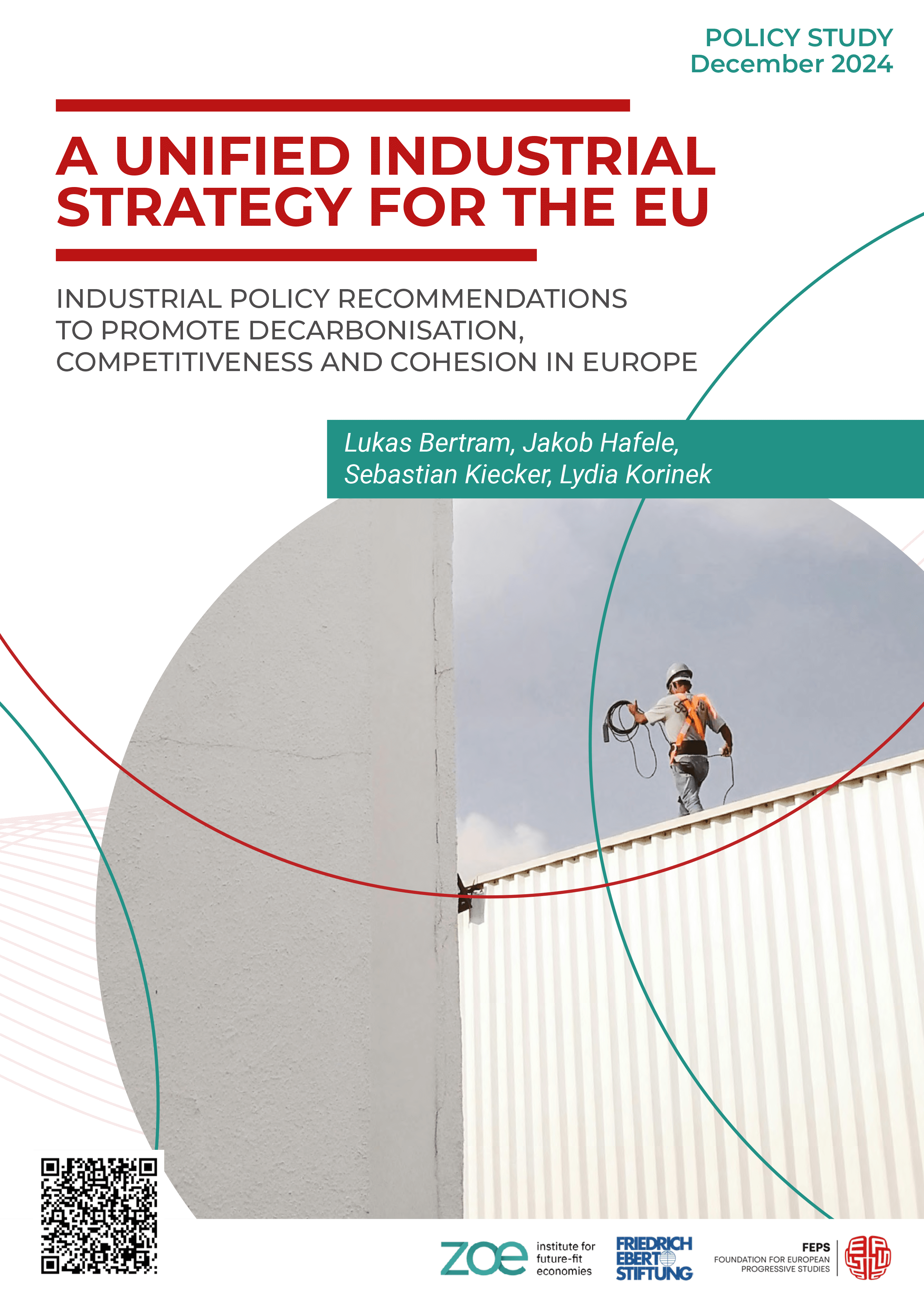
“Public and private sectors are called to work together to avoid market failures, such as a particular industry polluting and damaging society,” says Bertram when approaching the new industry strategy for Europe.
This economic and industrial competitiveness discussion must also consider workers’ rights, inclusion, and equality.
Trending concepts such as the creation of a genuine “Union of Skills,” “Strategic autonomy,” and “Economic security” must go hand-in-hand with social rights and workers’ protection, according to the FEPS interviewer.
To do that, defining the most relevant concepts is crucial. In general terms, “Competitiveness is a word which comes from the business world, and it refers to how can one single company compete in the market,” says Lukas Bertram.
The German economist highlights the importance of addressing regional inequalities and better using the skills and available industrial potential between the European Union territories.
For that, he puts the Andalusia region in Spain as an example and compares it to Germany and other Eastern European states. The first one, in Southern Europe, has “lots of terrain and potential for clean energy production such as solar energy,” and the other has an enormous technological industry.
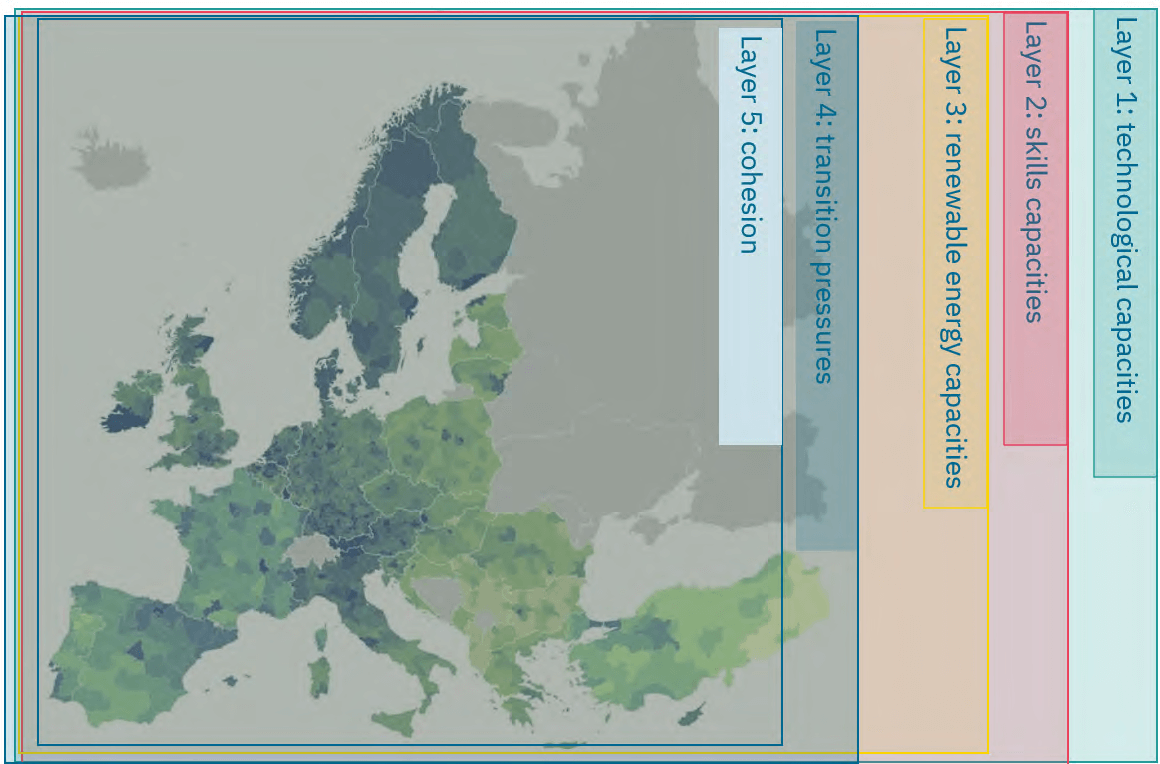
© Regional map to address competitiveness inequalities – FEPS report
A Socially Just Transition or a Race to the Bottom?
The EU’s competitiveness agenda is being scrutinized by labour organisations, social partners, and social policy advocates.
Critics argue that an excessive focus on competitiveness—measured by market efficiency and cost reduction—can come at the expense of social rights.
The risk is that to enhance competitiveness, businesses may push for weaker labor protections, suppress wage growth, or outsource jobs to regions with lower labor standards.
Bertram and Rinaldi acknowledge these concerns, emphasizing the need to avoid what they call a “transition by disaster” and instead move towards a “transition by design.”
This means that instead of allowing industrial shifts and automation to displace workers without protection, policymakers and business leaders must proactively plan for the upskilling and reskilling of employees. “We often try to save jobs when we know that in the long term we won’t be able to save them,” says Luka Bertram. Rinaldi then raises the crucial question, “Can the EU competitiveness agenda undermine cohesion?”.
Energy prices, cost of capital, and state aid capabilities vary significantly across member states. One of the biggest challenges in this transformation is economic divergence within the EU.
The same happens with fiscal flexibility to subsidize businesses and protect workers. If left unchecked, these inequalities could further regional economic disparity—creating a two-speed Europe where some regions thrive while others struggle.
To sum up, for the EU to create a future-fit economy, it must ensure that all workers—regardless of background, gender, or region—can participate in the labour market.
That means investing in lifelong learning programs accessible to all workers, ensuring gender equality in high-growth industries like tech and renewable energy, developing regional strategies to prevent certain areas from being left behind, and protecting labor rights.
The challenge is aligning competitiveness with social cohesion—ensuring that economic success does not come at the expense of workers’ rights and fair wages.
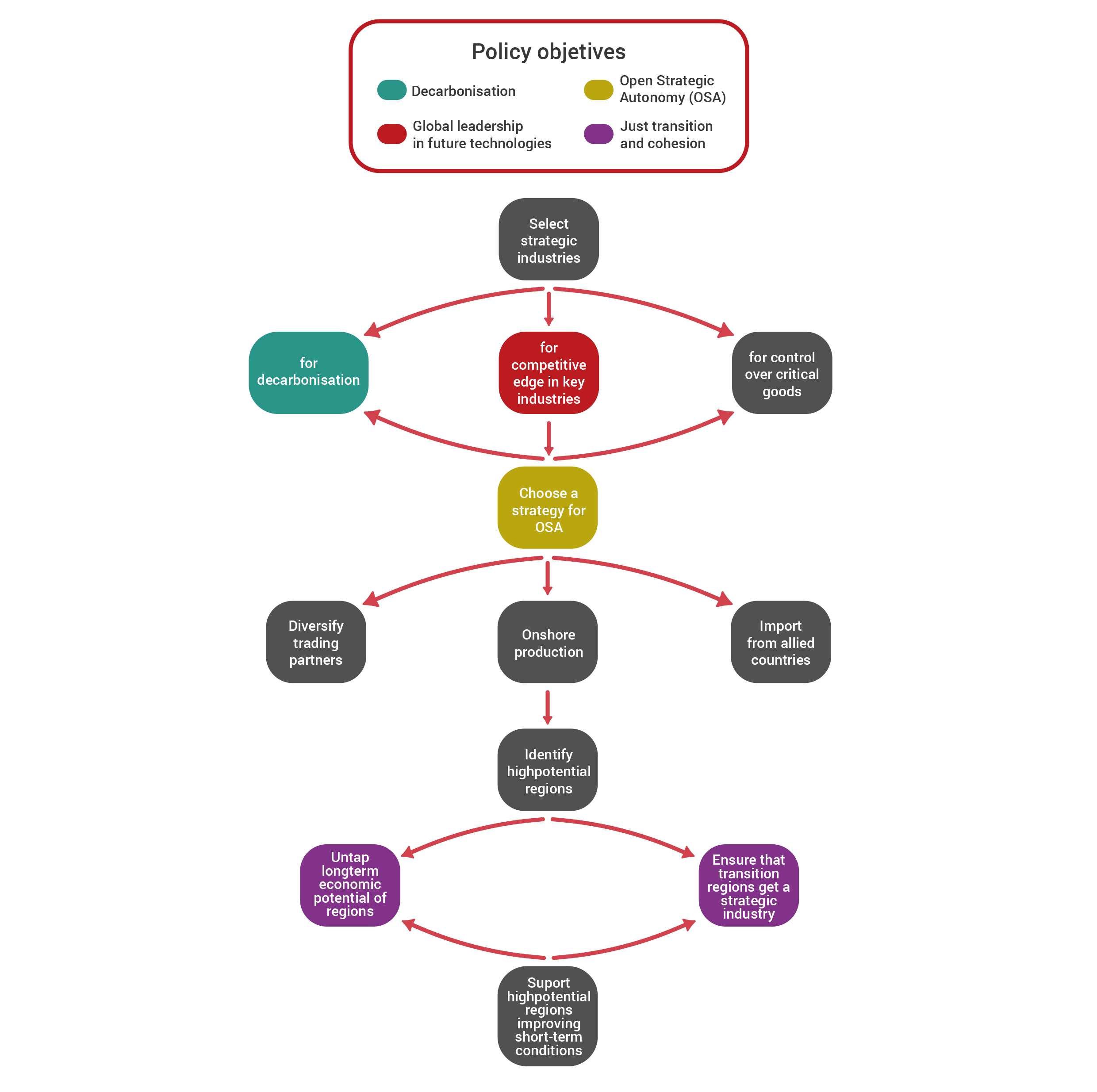
© FEPS report
The Role of Managers in the Future Competitiveness Framework
Managers play a pivotal role in guiding companies through transitions as intermediaries between corporate decision-makers and the rest of employees, as well as key agents of change in the workplace.
Leaders and managers, as bridge-builders between employers and employees, think that a successful economic model cannot be built on wage suppression, job insecurity, and regional inequality.
Among the managerial responsibilities in the EU’s Competitive Economy are driving Social responsibility, implementing sustainable practices, and facilitating workforce reskilling, among others.
Within the next few days, CEC European Managers will be launching its new working group on “Innovation for a more competitive EU” to tackle all these issues and to underscore the role managers play. Deputy Secretary General Silvia Pugi will lead CEC‘s new working group.

