
Leadership loneliness: Connection is becoming a management issue
A new report from The Institute of Leadership, CEC European Managers’ UK member organisation, puts a familiar leadership problem under the spotlight: the higher managers climb, the more difficult it can become to find people with whom they can speak openly.
Download The Leadership Loneliness Paradox here [+]
Published in September 2026, The Leadership Loneliness Paradox: Why Connected Leaders Perform Better examines the growing risk of isolation among leaders.
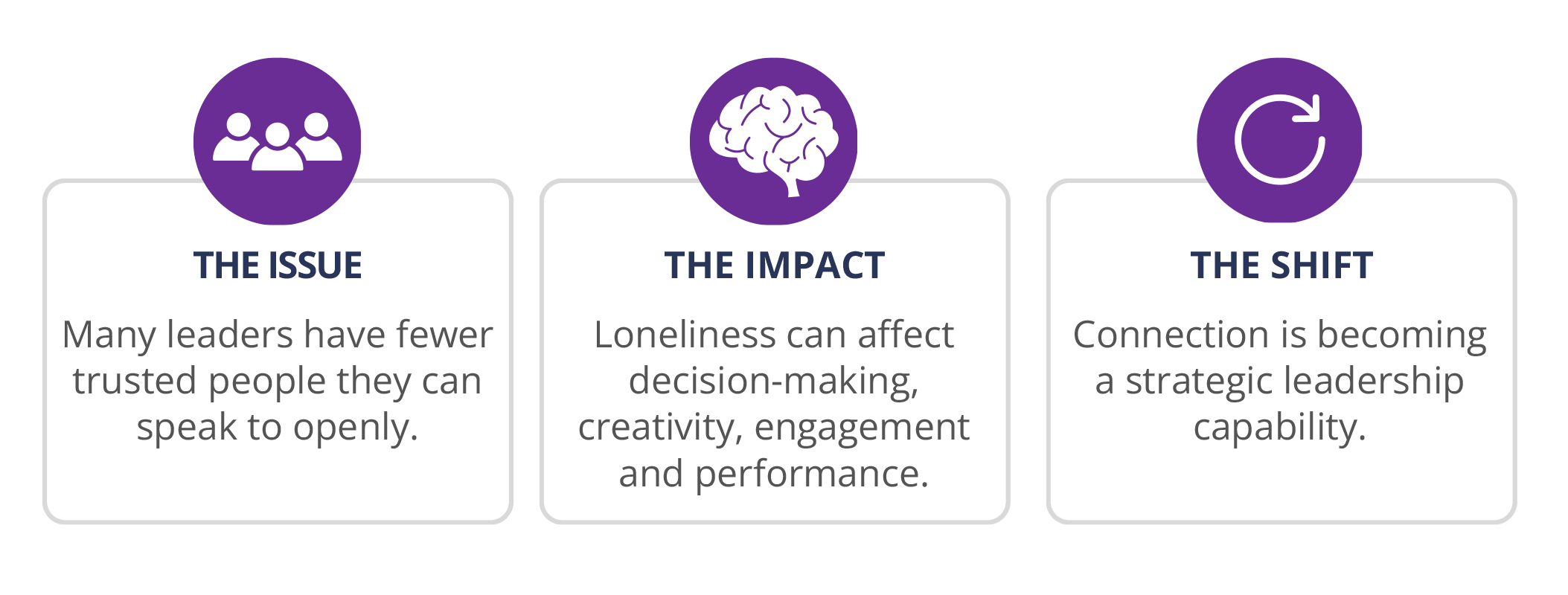
The report argues that loneliness is more than a personal wellbeing issue.
Organisational structures can themselves create conditions for isolation: senior leaders often have fewer trusted peers, face confidentiality constraints and are expected to project confidence even when they need support.
The numbers behind leadership loneliness
The report brings a substantial body of figures to the discussion.
According to Gallup’s 2025 Global Workplace Report, 23% of managers said they had felt lonely during their previous working day.
Among employees overall, the figure was 22%.
The report also cites research suggesting that around four in ten employees experience loneliness at work.
The figures become more striking among senior leaders. The Institute reports that recent research has found that more than half of senior business leaders have experienced loneliness and isolation.
One survey of senior technology leaders found that almost 97% had experienced loneliness as a leader at some point. In the same survey:
- 63.5% said they sometimes felt lonely in their current role;
- almost 19% said they felt lonely in their current role all the time;
- loneliness affected 86% in terms of motivation and engagement;
- 44% reported an effect on confidence in stakeholder conversations;
- 34% reported an effect on their ability to lead teams;
- and 32% reported an effect on productivity and delivery.
The report also looks beyond senior executives to the wider workforce. A People Management poll conducted with Attest found that:
- 58% of employees felt lonely at work at least some of the time;
- 20% felt lonely often or almost always;
- 40% said loneliness had a significant or considerable effect on their motivation;
- and 42% had either considered leaving or had already left an employer because of workplace loneliness.
The Institute stresses that the latter figures concern employees generally, rather than leaders specifically. Nevertheless, they illustrate the wider organisational consequences of disconnection: engagement, motivation, retention and workplace culture can all be affected.
When leadership becomes isolating
Leaders are expected to be highly connected: collaborating across borders, communicating constantly and supporting their teams. Yet becoming more senior can reduce the number of people with whom they feel able to speak candidly.
According to our member organisation in the UK, “loneliness can affect judgement, creativity, engagement and performance.”
In two studies involving UK managers, Durham University researchers found that when managers felt lonely, they were less engaged with their work and team members and were more likely to avoid employees.
Leadership loneliness can influence the way leaders interact with teams and shape organisational culture.
The Institute of Leadership therefore argues that connection is a strategic leadership capability.

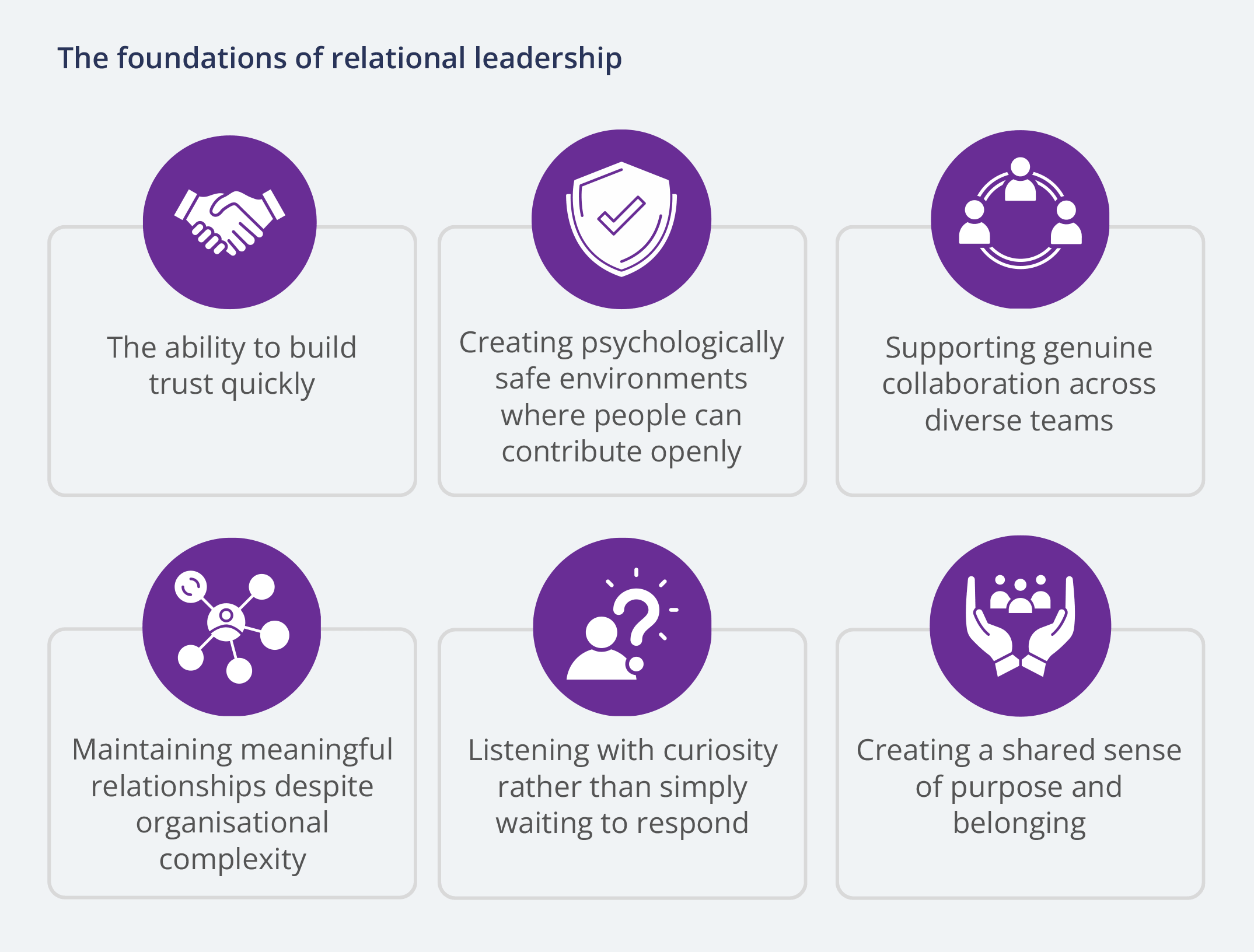
Its Connected Leadership Framework proposes five commitments: recognising loneliness as a strategic leadership issue; creating structured relationships and peer support; developing relational capability alongside technical skills; supporting leaders before pressure becomes a crisis; and measuring connection as part of organisational health.
Who is behind the report?
The Institute of Leadership (IoL) is a UK professional membership body for leaders, managers, coaches and mentors, providing leadership development, research, learning resources and professional support.
In June 2025, the Institute joined CEC European Managers as a UK national member organisation, bringing the UK’s professional leadership community into CEC European Managers.
CEC’s General Assembly in Milan [read full news +] approved the accession, where Institute CEO John Mark Williams addressed CEC members.
Why the UK’s return: “We could go all the way”
The Institute‘s accession carried significance beyond the membership of one organisation.
The United Kingdom is no longer an EU Member State, however, as these lines are being written, it has been only a few hours since British Prime Minister Andy Burnham made the clearest statements yet regarding the country potentially rejoining the European Union: “We could go all the way.”
For now, British organisations do not participate in the EU institutional system. But the 2025 accession creates a renewed bridge between UK managers and the European managers’ movement, through CEC European Managers.
CEC European Managers is an EU-recognised social partner representing managers and executives, participating in European Social Dialogue alongside the other recognised cross-industry social partners.
In 2025, CEC was among the organisations negotiating the new Pact for European Social Dialogue, which establishes a framework for strengthening consultation and cooperation between the European institutions and social partners.
Leaders and managers need to be part of this process because they occupy a distinctive position between organisational decision-making and the everyday reality of work.
In January 2025, European Commission DG EMPL Director-General Mario Nava explicitly highlighted the strategic role of managers in European Social Dialogue and called on leaders and managers to continue contributing to it.
Against this background, welcoming a major UK leadership organisation into CEC European Managers was more than an organisational development.
It was a successful way to reconnect UK managers with a European platform for exchanging experience, contributing expertise and engaging with the wider European debate on the future of work and leadership.
And that connection is particularly relevant to the loneliness question.

A European answer made in CEC: MANAGERS+
This question of connection also has a practical European dimension.
CEC European Managers has proposed MANAGERS+ Innovation Exchange Network, a cross-border initiative designed to connect managers from different countries and sectors for direct peer-to-peer exchange. CEC European Managers describes it as “something like an Erasmus for managers.”
The model is deliberately simple. Managers are matched according to seniority, role and their interest in an international perspective. Each exchange takes 60 minutes, combining company presentations, discussion of specific problems or opportunities and an open exchange of ideas. Topics can include AI in operations, energy efficiency and other business priorities.
The programme also includes a strict “no sales pitch” rule and confidentiality commitment.
CEC European Managers describes it as an inter-professional peer exchange rather than a consultancy service.
MANAGERS+ is primarily an innovation, upskilling and professional-exchange initiative.
Its design also responds to one of the central issues identified in The Leadership Loneliness Paradox: the need for leaders to have trusted peers with whom they can exchange perspectives outside their immediate organisational hierarchy.
The Institute’s own recommendations specifically mention facilitated peer groups, action-learning sets, mentoring relationships and cross-organisational leadership networks as possible ways of creating safe spaces for candid conversation.
This is where the connection with MANAGERS+ becomes relevant.
A manager participating in a confidential conversation with a European peer can discuss a challenge with someone who understands the responsibilities of leadership but is not part of the same company, reporting line or internal politics.
The European dimension can therefore become part of the answer to leadership isolation: connection across organisations, sectors and borders rather than connection only within the corporate hierarchy.
And let’s not forget a cold fact: Innovation needs connection. The link between loneliness and innovation is not accidental.
When The Institute of Leadership joined CEC European Managers, its CEO John Mark Williams highlighted the relationship between ideas, connection and leadership, while CEC European Managers presented the new UK membership as part of the organisation’s expanding European role.
From Leadership Live to European manager networks
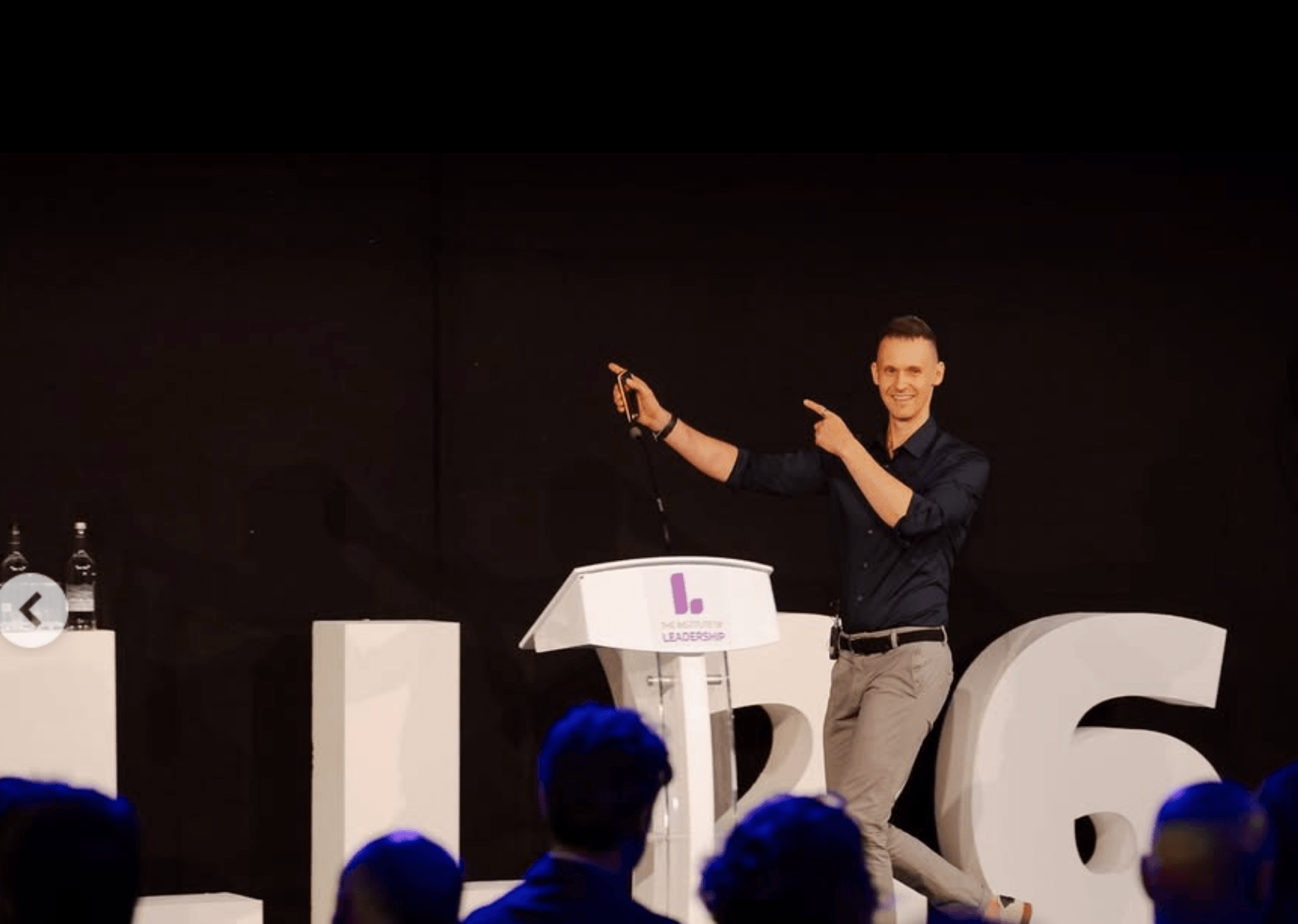
The same emphasis on human connection was visible at Leadership Live 2026, The Institute of Leadership‘s annual event, held under the theme “Leading with Humanity.”
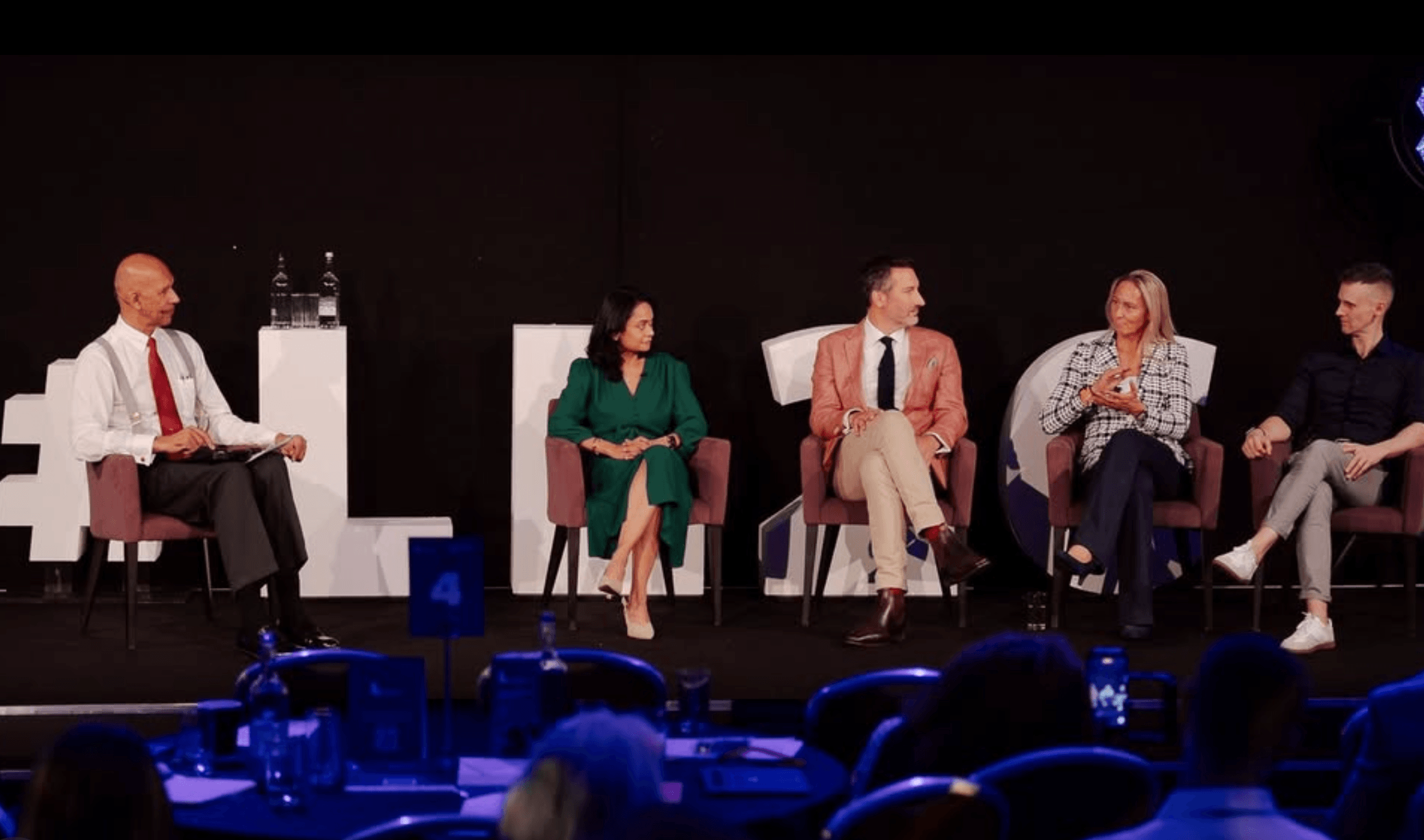
The event brought together leadership professionals for keynote sessions, workshops, discussions and networking around human-centred leadership, wellbeing, psychological safety, emotional intelligence, workplace culture, uncertainty and AI.
The Institute subsequently thanked its guests, keynote speakers, workshop hosts, sponsors, partners, award participants and the teams working behind the scenes. Its message centred on bringing people together, sharing ideas, recognising achievement and creating opportunities to connect.
That emphasis is striking alongside the findings of The Leadership Loneliness Paradox.
Leadership events, professional communities and peer networks can provide the relationships and spaces for candid conversation that senior managers may otherwise struggle to find.
Leaders should not have to lead alone
The Institute of Leadership report ultimately challenges one of the oldest clichés of management: “it’s lonely at the top.”
Its conclusion is that loneliness is not an inevitable consequence of leadership.
Social dialogue is about negotiation, exchange and, ultimately, dialogue. Innovation is about sharing, collaboration, teamwork. And leadership, increasingly, is about connection.