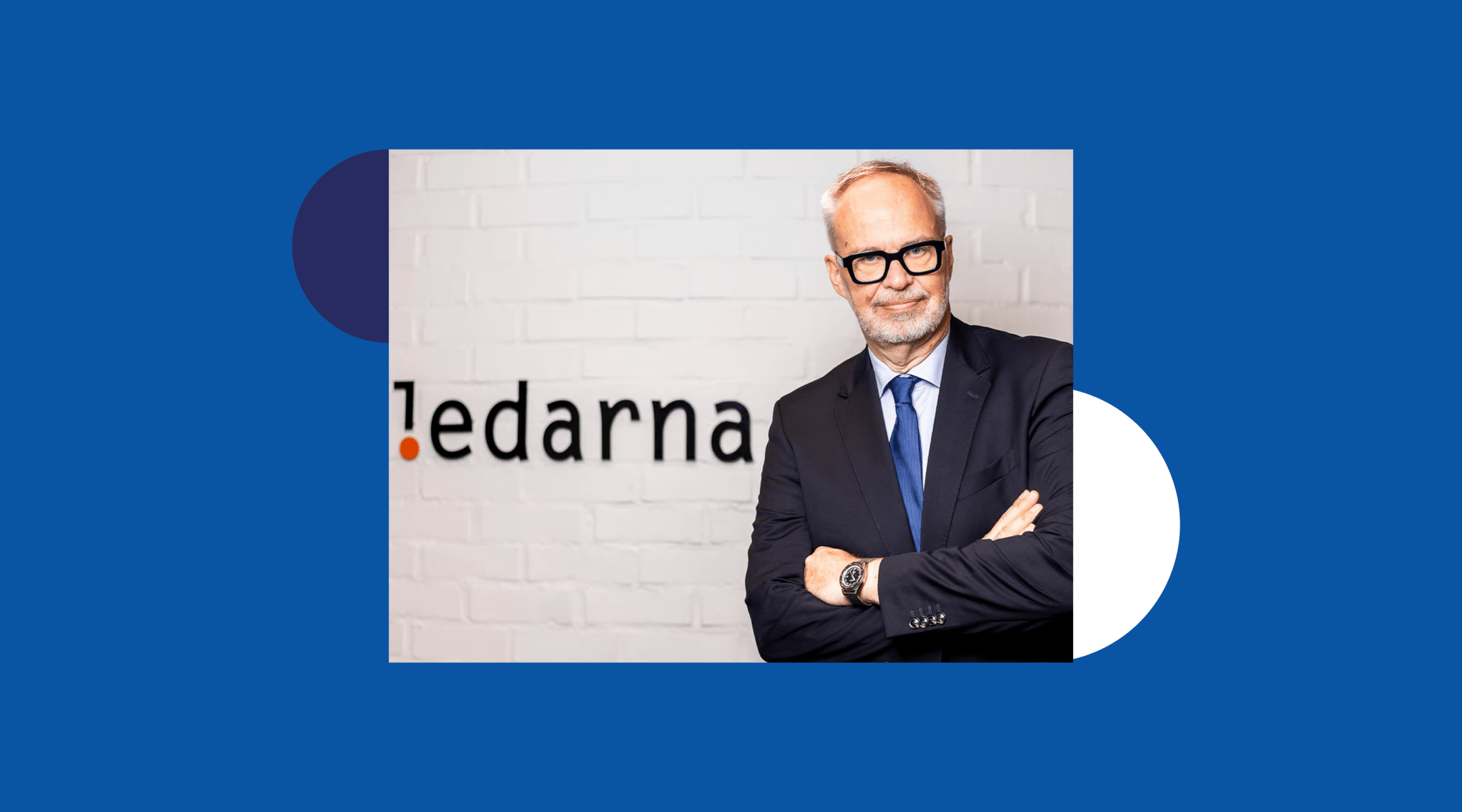
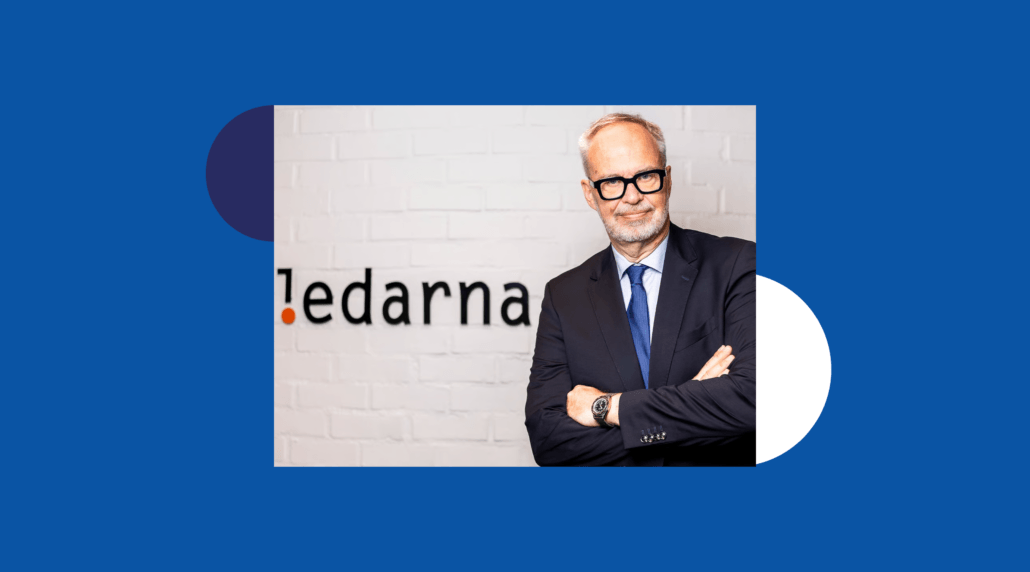
“Good Leadership Is Always a Choice”
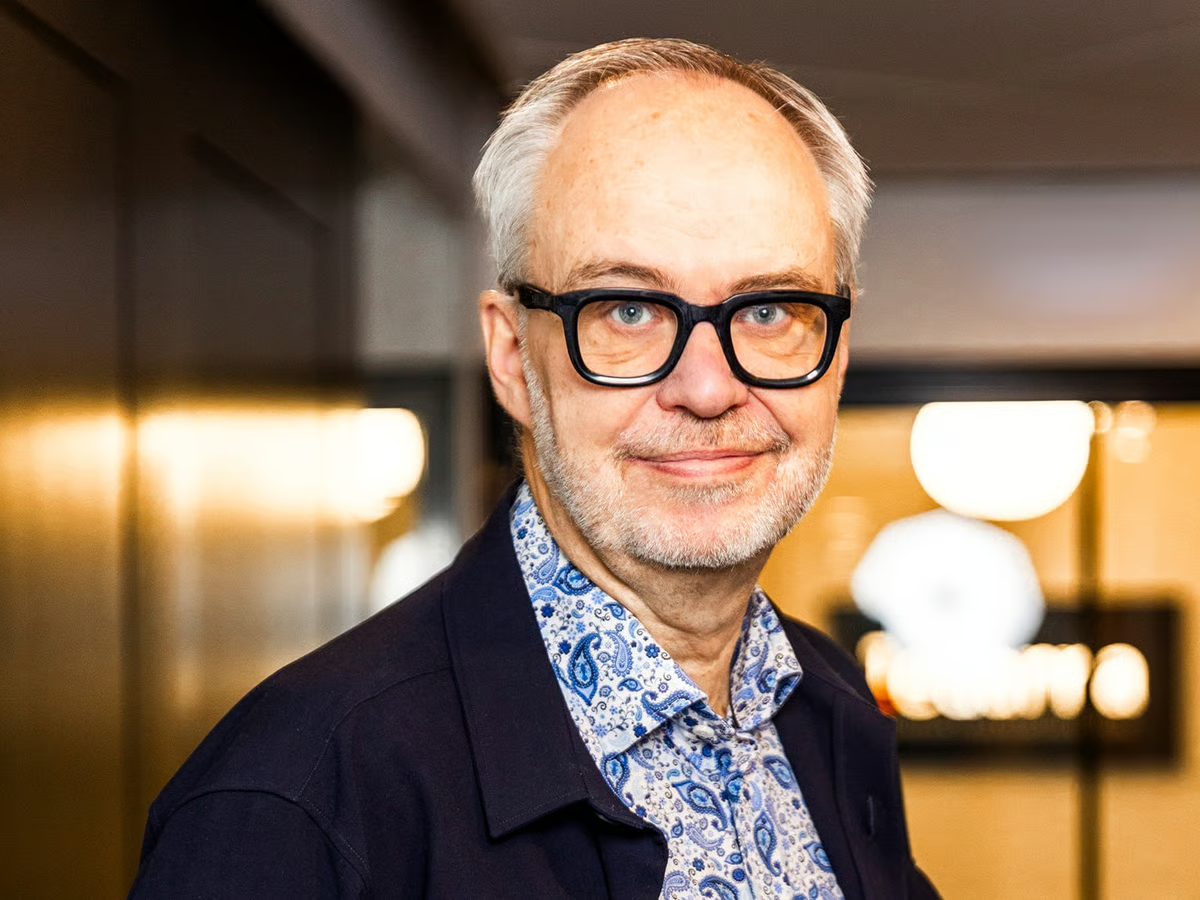
This interview marks the final conversation with Andreas Miller before he stepped down as President of Ledarna following the organisation’s Congress in June 2026, bringing to a close eight years of leadership. During his presidency, Miller played a prominent role in strengthening the voice of managers in Sweden and across Europe, while actively contributing to the work of CEC European Managers. In this farewell interview, he reflects on the values that have shaped his leadership, the importance of trust in European social dialogue, the challenges and opportunities presented by artificial intelligence, and his vision for the future of management in Europe.
How would you define yourself? Not necessarily through your position, but who is Andreas Miller?
I think that’s a very big question—almost an existential one. But if I had to define myself, I would say that I am a very curious person. Curiosity and a genuine desire to understand how things work have led me into many different roles throughout my career.
Wherever I have worked, I have always wanted to take responsibility and contribute to society in a broader sense, rather than simply doing a job. It has always been important for me to feel that what I do has meaning.
You mentioned curiosity first. Are there other personal values that have shaped your leadership style?
Of course. Curiosity is essential because it allows you to gain new knowledge and learn from other people. But it is equally important for me to be a leader who delivers results while remaining decent and respectful.
Throughout my career, one of my priorities has always been building strong relationships with employees, creating cohesive teams, and ensuring that everyone works towards shared objectives.
From what you’re describing, it sounds as though communication skills are at the heart of your leadership style.
Yes, I believe communication is one of the most important qualities for a leader in 2026.
A leader must be able to communicate with many different stakeholders. Of course, that includes employees, but also managers, business partners and everyone else involved in the organisation.
Communication is fundamental to successful leadership.
Has your communication style evolved since becoming President?
I would say I have benefited enormously from my background as a journalist. I worked as a journalist for twenty-eight years, including the last ten years as Editor-in-Chief.
I actually began my career as a programme host, and that taught me how to ask the right questions—not simply to obtain answers, but to bring clarity to complex issues.
I’ve carried that approach with me throughout my presidency at Ledarna. It helps me understand difficult topics and move important discussions forward constructively. In many respects, I’ve applied the tools of journalism directly to my role as President.
In theory, many people know how to communicate, but how did you adapt those journalistic tools to the reality of leading an organisation like Ledarna?
On one hand, I use those tools to acquire knowledge about new issues that matter to managers. Curiosity remains essential because leadership is constantly evolving.
On the other hand, journalism also taught me how to deliver a message effectively. I understand how journalists work and what kind of answers they are looking for. That experience has been invaluable.
When I look to the future, I believe communication will become even more important for successful leaders.
I imagine those communication skills have also helped you during negotiations.
Absolutely.
Curiosity is incredibly valuable during negotiations. You have to be genuinely interested in the people sitting across the table—the people with whom you’re trying to reach an agreement.
Curiosity also demonstrates respect. By asking questions such as “What do you think?” or “What do you need?”, you show that you’re interested in understanding the other side’s perspective. That creates trust and often helps you reach an agreement much faster.
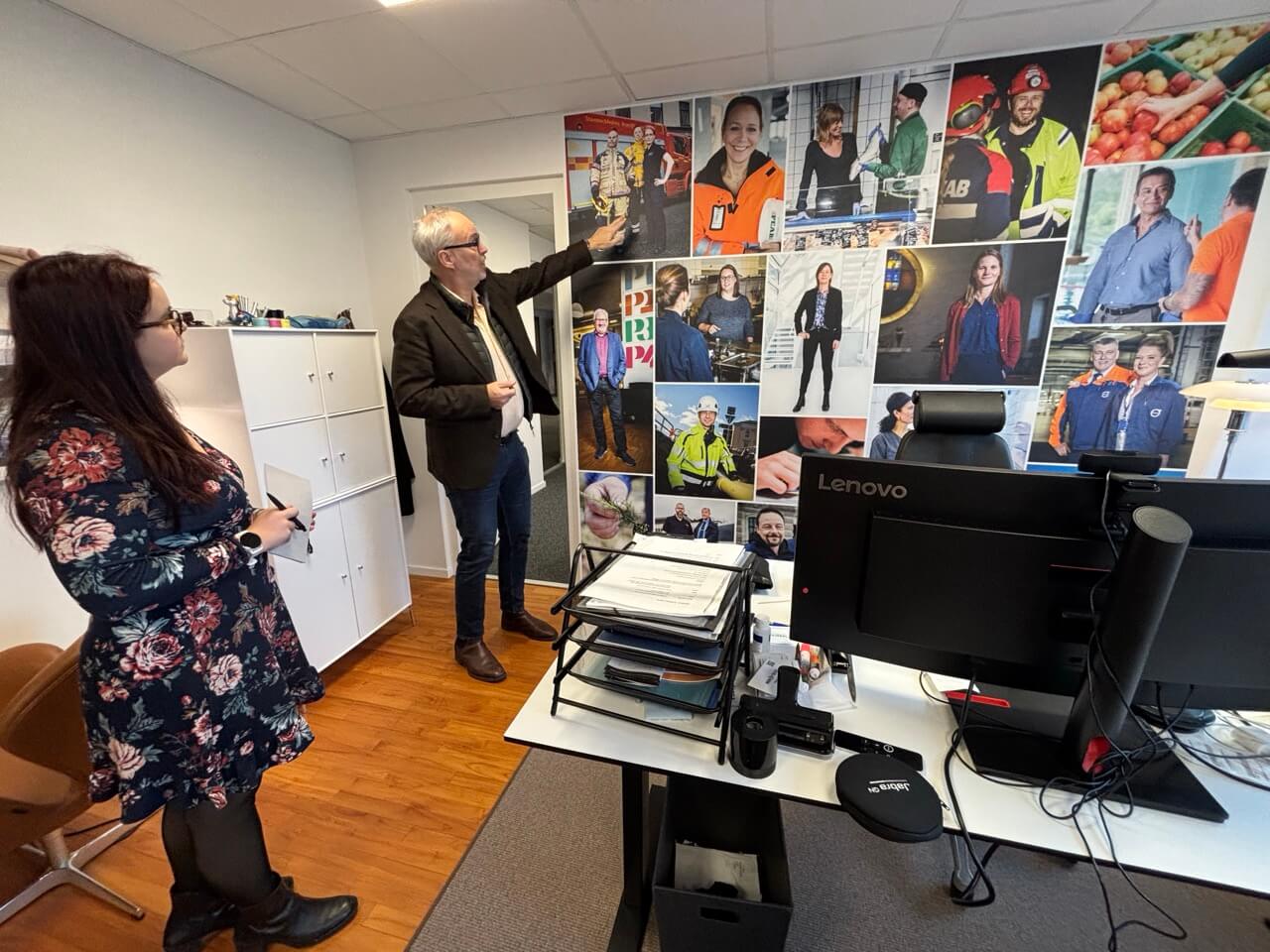
© Director of CEC European Managers, Olga Molina (left) at Andrea’s Miller office at Ledarna’s headquarters (November 2025)
That brings us to social dialogue. The Nordic countries are often seen as an example in this field, even if the situation is very different across Europe. Looking back at your presidency, what achievements in social dialogue are you most proud of?
Since the Social Summit in Gothenburg in 2017, the European Union has become much more active in labour market policy.
In Sweden, this encouraged both trade unions and employers’ organisations to engage much more seriously at the European level. We realised that we needed to become involved much earlier in the legislative and policy-making process—not simply to react at the end by saying no because we already have our own model.
We understood that we should participate from the beginning, contribute constructively and help shape the discussion.
I think this has been a very important development for both Nordic employers’ organisations and trade unions. We need to be active participants in European social dialogue and engage much earlier in discussions.
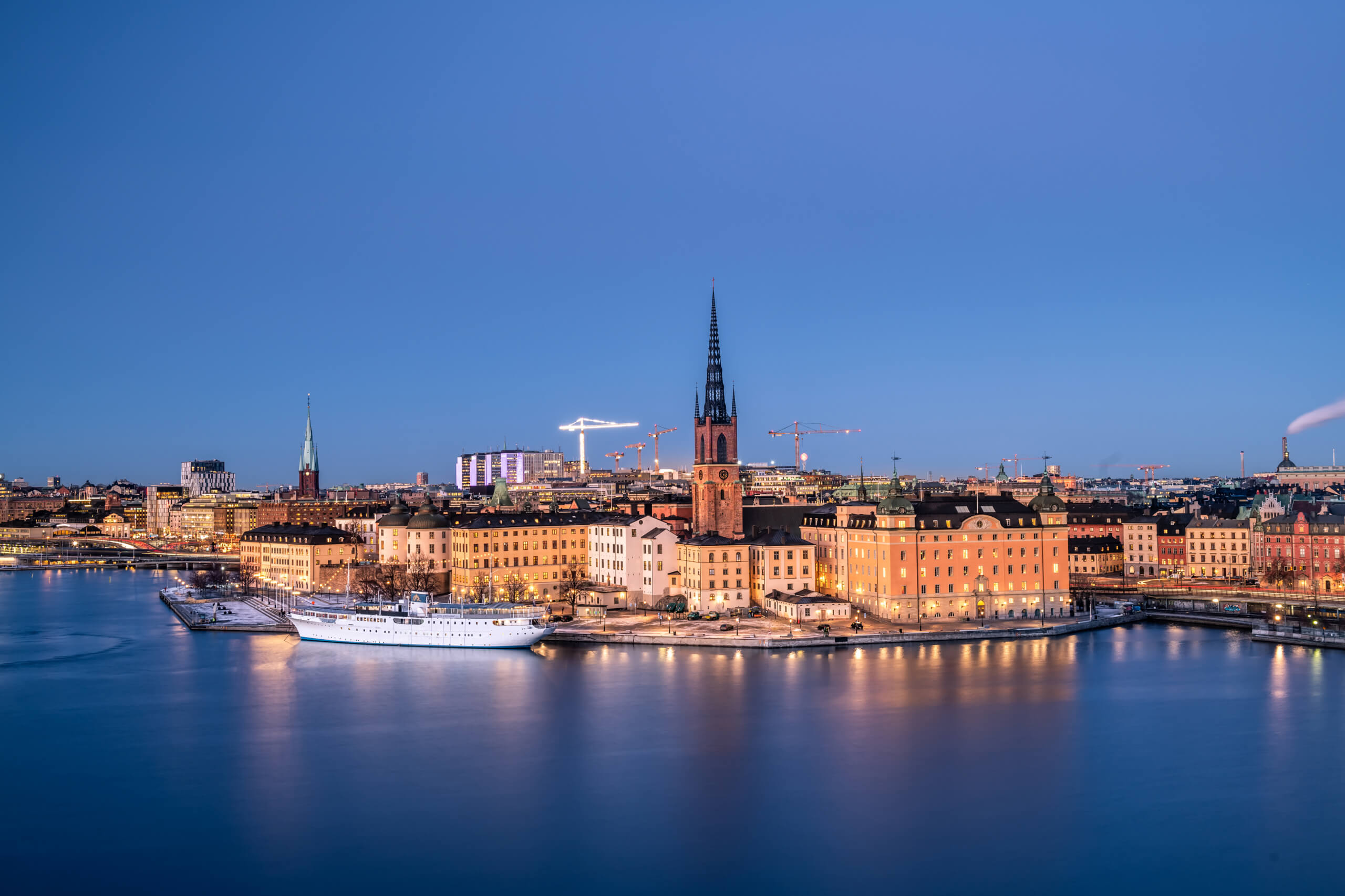
Historically, the Nordic countries were not particularly involved at the European level. I believe it is very important that organisations such as CEC continue moving in this direction and become even more engaged in social dialogue.
At the same time, I think CEC European Managers should continue encouraging discussion among its own member organisations about what kind of social dialogue we want to promote in Europe.
One of our greatest strengths as an organisation representing managers is that we can act as a bridge-builder.
Managers understand employers, but they also understand employees and trade unions. We stand between those perspectives, which allows us to facilitate dialogue and mutual understanding.
I’m particularly proud that we’ve embraced this role.
When I meet European politicians, many of them admire the Swedish model and would like to see more elements of it adopted across Europe.
At the same time, we have to recognise that there are real obstacles. In many countries, trade union membership is relatively low, dialogue between employers and employees is weak, and, above all, trust is lacking.
Our Swedish system is fundamentally built on trust.
Employers must trust trade unions, and trade unions must trust employers. Both sides need to believe that it is possible to reach agreements together.
Without a functioning and credible dialogue between employers’ organisations and trade unions, it will be extremely difficult to replicate the Swedish or Nordic model elsewhere.
That said, I do think it’s important that we continue explaining how our model works while also taking the time to understand the realities and challenges faced by other European countries.
When you explain the Nordic model and the importance of trust to policymakers and European institutions, do you believe that trust is the main obstacle preventing this model from being transferred to other countries? Or is it more a political issue? Why?
It’s both. When trust is missing, people tend to rely on legislation instead.
In many countries, trade unions don’t believe they can reach agreements with employers. Likewise, employers don’t believe agreements with trade unions are possible. As a result, both sides turn to politicians and expect legislation to solve the problem.
In Sweden, trade unions and employers’ organisations take joint responsibility for the labour market. We negotiate collective agreements that create stability and predictability. As a consequence, we have very few strikes, and we also enjoy high productivity within our companies.
We’ve seen in recent years that when the European Union proposes legislation, the Nordic model can sometimes be perceived as an obstacle rather than an example—for instance during the debate on the Minimum Wage Directive. From a Nordic perspective, the argument is often: “Our system works, so why should we change it?” How do you think this gap can be bridged?
We need much more dialogue and much more exchange of knowledge. We need to explain why our system works. What are the key elements that actually make the Swedish model successful?
We need to be genuinely curious about other countries. What are their needs? What are the obstacles they face?
Why do they believe that our model could not work within their own labour market or institutional system?
We all share the same objective across Europe: creating a well-functioning labour market that offers good conditions for workers, managers and companies alike.
From a Swedish and Nordic perspective, I believe we must participate much more actively—and much earlier—in European discussions.
We should ask ourselves how we can contribute to solutions that meet everyone’s needs without weakening what already works.
This isn’t easy, of course, but I think leaders—whether they represent trade unions, management organisations or employers’ organisations—have a responsibility to create this dialogue and participate actively in it.
In the long term, this is fundamentally a question of European competitiveness.
If we fail to create an efficient labour market that provides good conditions for employees and managers alike, Europe simply won’t achieve its ambitions.
Does this also connect with the role of managers in implementing the European Commission’s priorities, such as digitalisation, the green transition and skills development?
Those three priorities all depend heavily on managers.
The European Parliament and the European Commission can adopt policies and legislation, but if nobody implements them inside organisations, nothing will actually happen.
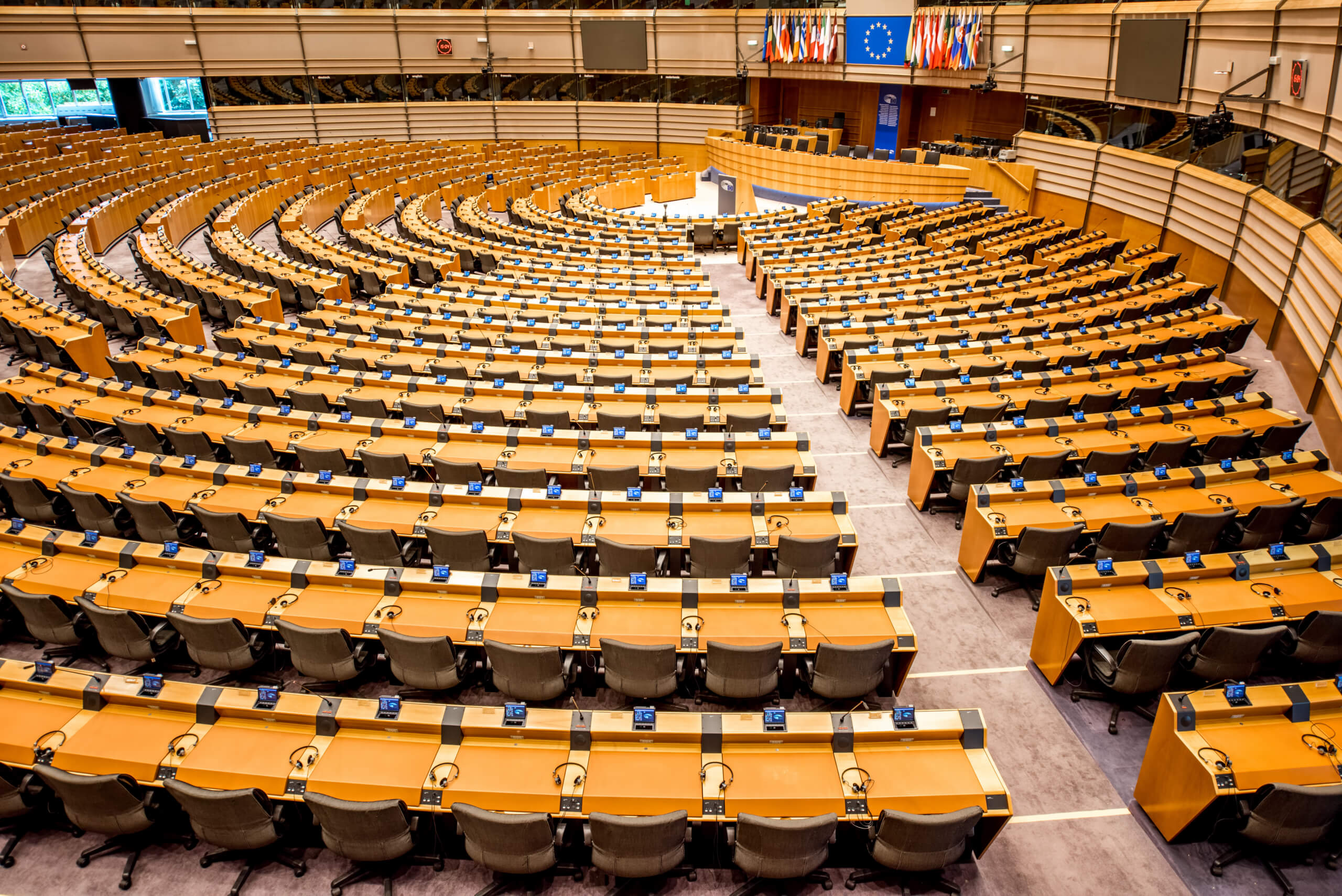
Take the green transition as an example. We know that it is urgent. We cannot afford to wait. CEC has consistently delivered that message over the years, and I believe we should continue doing so.
Successfully delivering the green transition requires managers who have the right conditions to succeed.
They need clear objectives, a clear mandate and adequate resources. Without that, implementation becomes extremely difficult.
When you speak about resources for managers, are you also referring to training and continuous upskilling?
Continuous upskilling is becoming increasingly necessary for every leader.
The labour market is changing at an incredible pace, so leaders must continuously update their knowledge and competencies.
Artificial Intelligence is a perfect example.
AI will transform both the labour market and the way leadership is exercised.
That’s one of the reasons why I believe the AI MANAGE project that CEC is launching is so timely.
It addresses exactly the questions that managers need to be discussing right now.
Speaking of the green transition, together with Ledarna you organised the Sustainable Leaders Summit at the European Parliament. Was that one of the highlights of your presidency, or are there other achievements that stand out?
It was an excellent event, and it clearly demonstrated how essential it is to provide managers with the right conditions to implement political decisions.
We also highlighted the importance of clear and predictable policies for European businesses.

Europe’s competitiveness depends on successfully managing the green transition.
The summit sent a very clear message to both policymakers and employers’ organisations: we need the green transition now, and managers are absolutely central to making it happen.
You mentioned the AI MANAGE project, which will begin in just a couple of weeks. What are your expectations for this project, particularly in Sweden?
Our own research already shows that Artificial Intelligence will affect managers at every level.
We need to recognise the enormous opportunities AI offers, but at the same time reinforce the importance of leadership based on trust, judgment and responsibility.
There is a genuine risk that AI could primarily become a tool for monitoring and controlling people—or even replacing human leadership altogether.
That would, in my view, be harmful both for the working environment and for organisational performance.

I hope this project encourages Swedish managers to participate actively in the discussions, attend the conferences and benefit from the knowledge that will emerge.
AI MANAGE will become an important source of learning and professional development for managers across Europe.
It’s probably one of the first times I’ve heard someone describe AI as a potential obstacle to competitiveness. Could you expand on that idea?
If AI is used primarily as a tool for monitoring and controlling employees, there is a real risk that people will begin to feel constantly supervised. They may feel they no longer have their own space or that their individual contribution is no longer valued.
If we look at successful companies, they almost always combine strong performance with a healthy working environment.
AI undoubtedly offers many advantages, but we must remember one important principle: When machines become very intelligent, people—especially managers—must exercise even better judgement.
Our challenge is to find the right balance between technology and human leadership.
If AI is used positively, it can free managers from repetitive administrative work, allowing them to spend much more time with their employees and much closer to the core business.
That, in my opinion, is where AI can truly strengthen leadership.
So, in your view, how will AI transform the role of managers?
AI might simply become another layer of control, increasing monitoring and reducing managers’ opportunities to engage with their teams.
But if organisations choose another path, AI can become a tool that creates time for managers.
By reducing administrative tasks, AI allows leaders to spend more time with employees, build stronger relationships and strengthen trust within their teams.
From a manager’s perspective, AI can make administrative work much easier.
If AI takes over those routine tasks, managers can focus on what only human leaders can truly provide: guidance, motivation, judgement and human interaction.
I believe that’s the direction we should be aiming for.
You’ve spoken very positively about AI MANAGE. Looking more broadly now, what are your reflections on CEC European Managers? As you prepare to leave the presidency of Ledarna, there is also an ongoing discussion about possible reforms within CEC to strengthen its role in European social dialogue. Are there any improvements you would particularly like to see?
It has been a great pleasure to be part of CEC European Managers. The meetings we’ve had over these past eight years have given me a great deal of energy.
European social dialogue and European cooperation are extremely important. Coming from a relatively small country like Sweden, we need cooperation with the rest of Europe. We become stronger by working together.
Managers across Europe play a crucial role, and CEC European Managers provides them with a common European voice.
Looking ahead, I believe we must continue strengthening the organisation.
Every member organisation should ask itself how it can contribute more actively to CEC European Managers in the future.
What can the European Commission do to facilitate that CEC European Managers is engaged at an earlier stage of negotiations?
I believe dialogue between trade unions and employers’ organisations needs to improve considerably.
Across Europe we can clearly see that trust has declined.
If we look at individual Member States, the level of trust between organisations is often very low.
This is precisely where I believe CEC European Managers has a unique contribution to make. We represent managers, we understand both perspectives.
Do some member organisations identify more closely with the trade union perspective, while others see themselves more as management organisations?
By understanding each other’s perspectives better within CEC European Managers itself, we will also become much stronger and more credible in European social dialogue.
If we succeed, we will be in a much better position to build trust and mutual understanding across Europe.
But to achieve that, we also need the support of the European institutions.
Support from the European institutions is essential.
Ultimately, it comes down to a shared understanding of the importance of dialogue and cooperation.
Before we finish, I’d like to ask you about your podcast. You’ve interviewed many leaders over the years. Are there any conversations or particular anecdotes that have stayed with you? And once you leave Ledarna, will you continue hosting the podcast, or will someone else take over?
First of all, I’ve recorded more than sixty episodes during my eight years as President, so it’s very difficult to choose just one.
What has impressed me most is the remarkable number of outstanding leaders I’ve had the opportunity to meet. These are people who genuinely want to make a difference—leaders who work together with their managers and teams to create positive change.
That has been incredibly inspiring for me, and every single episode has given me new energy.
My final episode will feature the winner of the Future Female Leader 2026 award.
For the past twenty years, we’ve published this ranking, highlighting hundreds of talented young women.
As for the podcast itself, I won’t continue hosting it because I’ll be leaving Ledarna.
The podcast has always been one of the communication tools I used to promote managers’ perspectives, our mission and our values.
Do you already have an idea of the main messages you would like to leave behind?
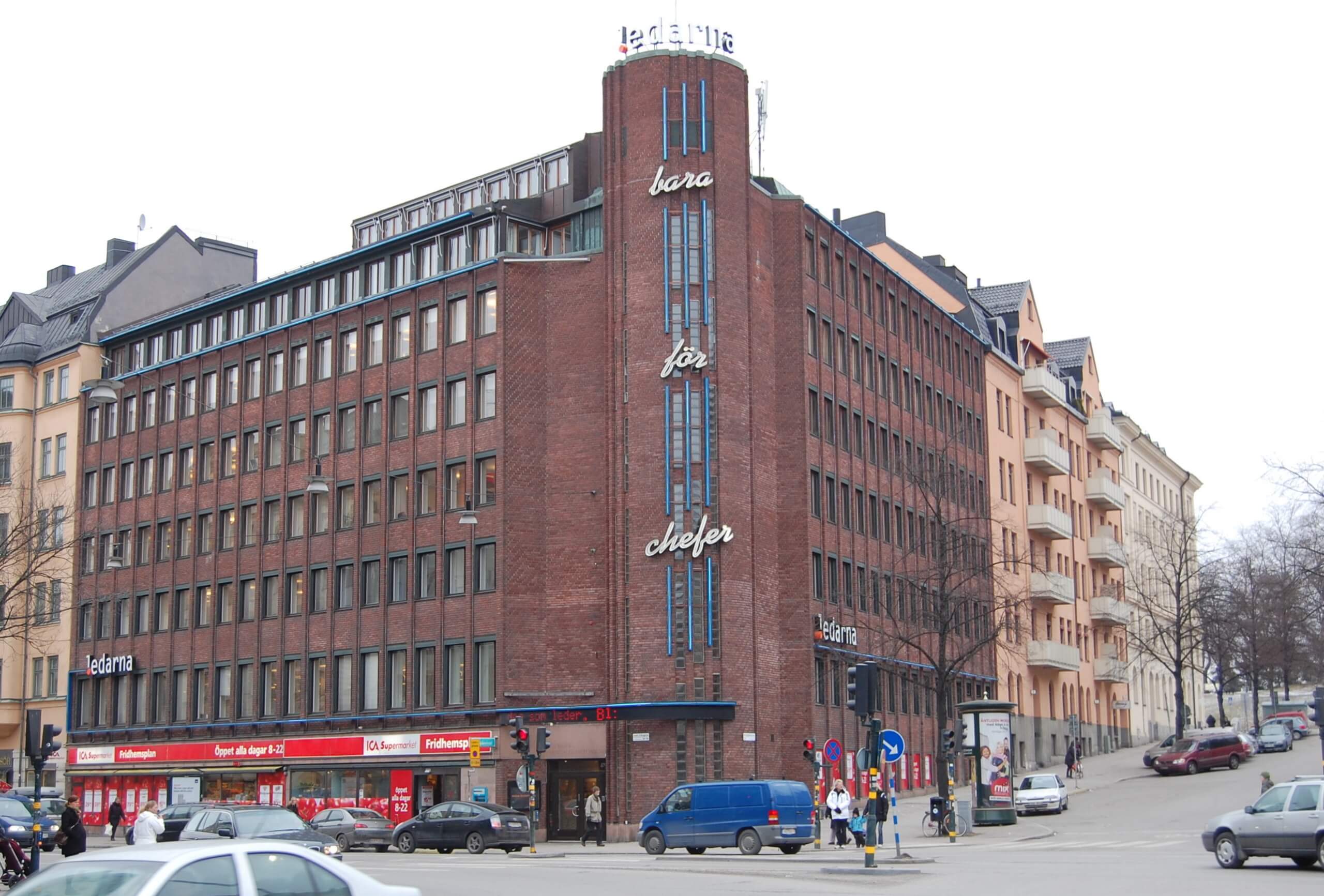
Ledarna has now existed for 120 years, and we have been a democratic organisation for more than a century.
I believe it is extremely important that we continue to uphold those democratic values.
Promoting good leadership has always been about much more than organisations. Good leadership helps build a better society.
Thank you and good luck!