High-Level Conference: Inclusive Leadership as a Driver of European Competitiveness
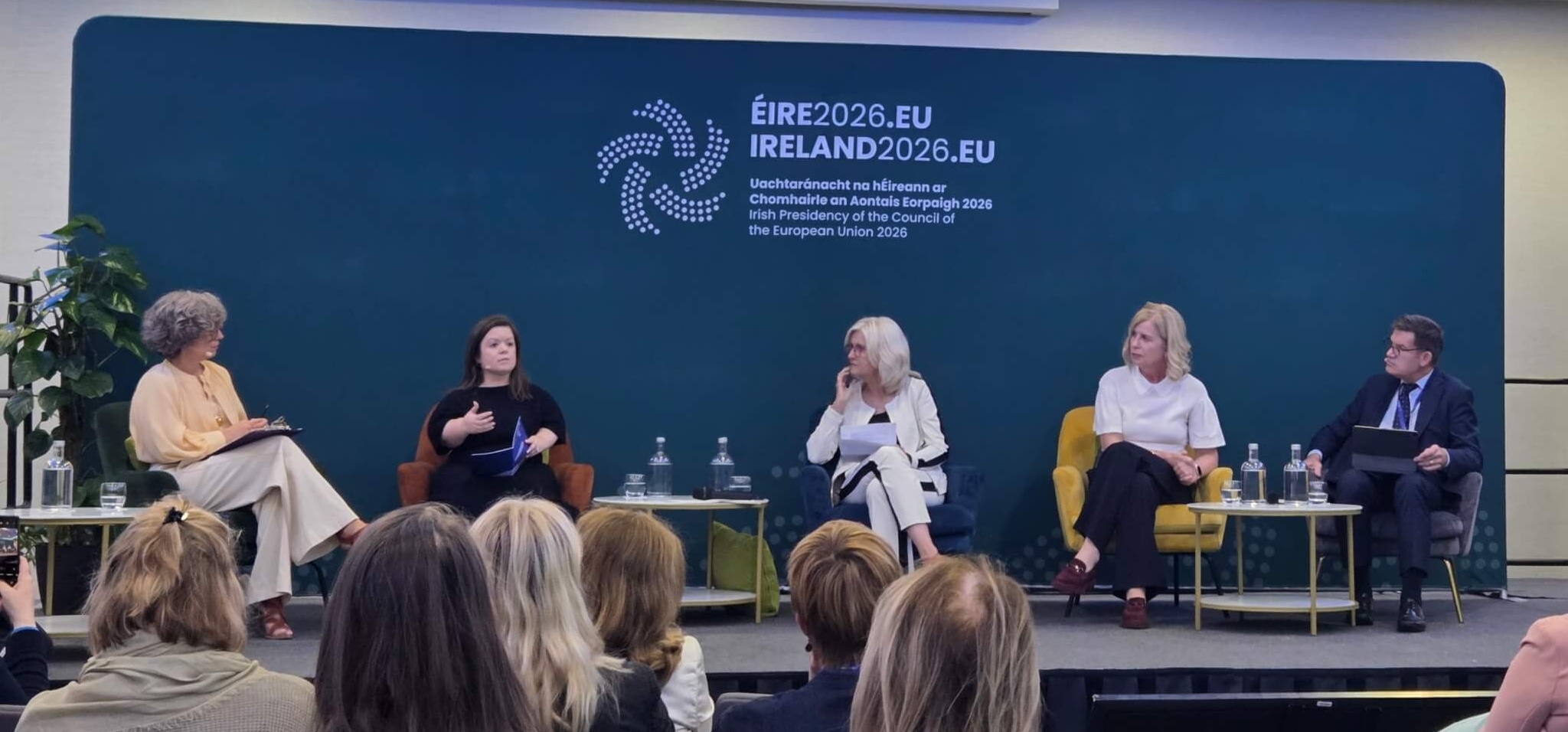
CEC European Managers took part in the High-Level Conference on Equality and Competitiveness held in Dublin between 8 and 9 September 2026, bringing together European and national policymakers, social partners, and civil society representatives to discuss a central question for Europe: can greater equality strengthen competitiveness, innovation, and social cohesion?

Download here the event’s concept note [+]
The message from the discussions was that equality and competitiveness should not be treated as opposing objectives. Better access to employment, skills and career opportunities can help Europe make better use of its workforce and respond to labour shortages, demographic change and technological transformation.
The Irish Presidency highlighted that persistent inequalities continue to leave talent unused and limit Europe’s economic potential.
For CEC European Managers, represented in Dublin by Director Olga Molina, managers are central to turning these ambitions into workplace reality. “Managers are where equality policies become everyday decisions.”
Making better use of Europe’s talent
Europe already faces worker and skills shortages. At the same time, barriers continue to limit the participation and career progression of women, older workers, persons with disabilities and people from different backgrounds. This directly affects recruitment, retention, and team performance.
Organisations need to attract talent from a broader pool, retain experienced employees and create conditions in which people with different backgrounds, ages and abilities can contribute and develop.
“Europe cannot afford to leave talent unused.”
Inclusive leadership therefore has an economic dimension. Diverse teams can improve decision-making, innovation and understanding of customers and markets, but diversity alone is not enough. In that sense, Irish Minister Norman Foley stated:
“A competitive Europe is clearly a priority for Europe today. Two years ago, Mario Draghi presented a landmark report that described competitiveness as a major challenge for the European Union.”
Managers need the skills and tools to create inclusive workplaces, identify bias and ensure fair access to training, career development and responsibility.
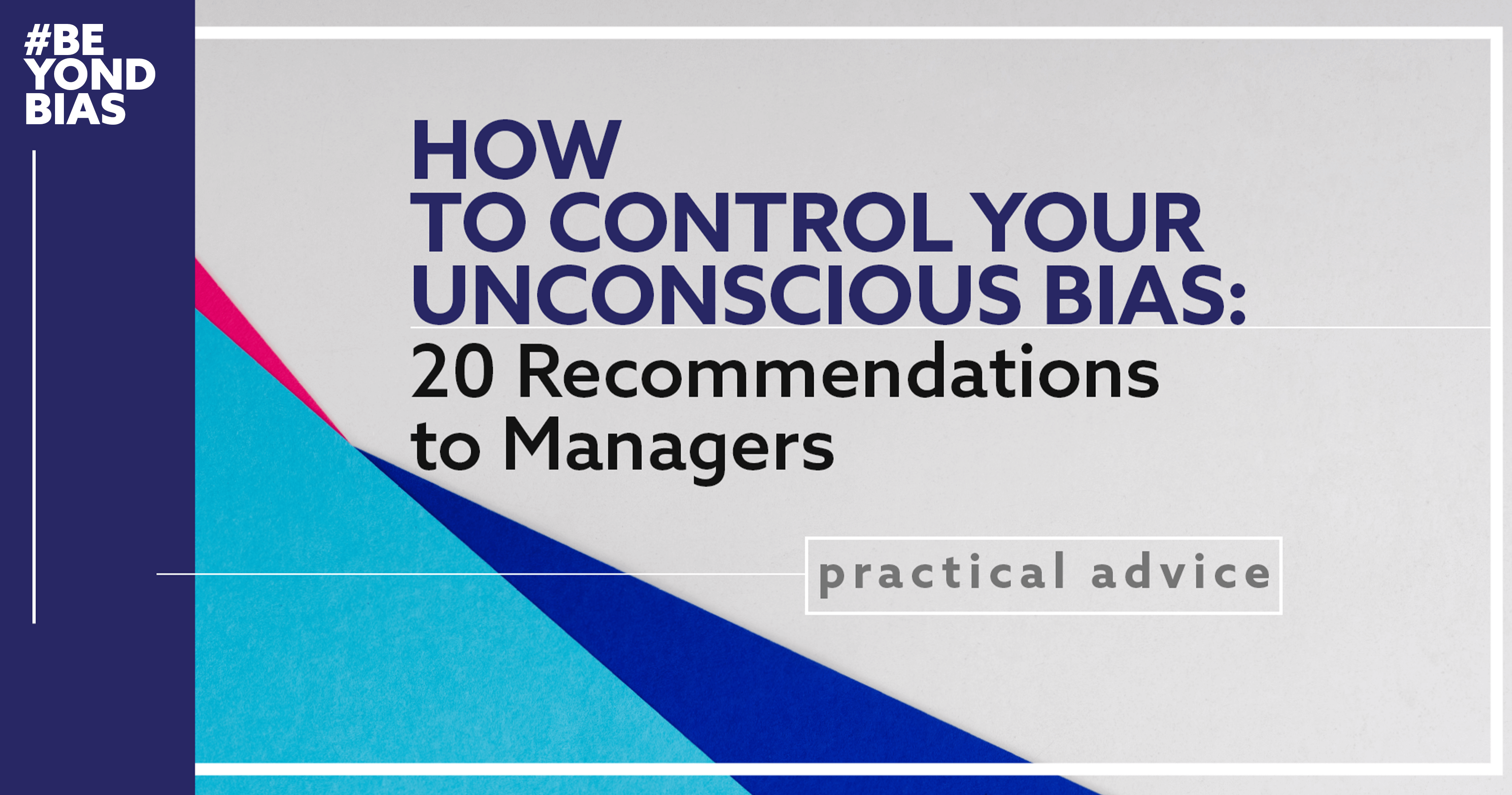
This is already part of CEC European Managers’ work through initiatives such as the #BeyondBias campaign, which focuses on practical tools to help managers recognize unconscious bias and improve decision-making.
Managers are central to implementation
The conference examined gender equality as well as disability, ethnicity, the care economy, AI and digital transformation, and diversity in leadership. It also looked at how European equality legislation can be effectively implemented in practice.
This implementation dimension is particularly important for managers.
Managers take decisions on recruitment, work organisation, performance assessment, training and career progression. They are often responsible for applying new legal and organisational requirements at workplace level.
CEC European Managers therefore considers that managers should not only be seen as implementers of new rules.
They should also help design practical solutions.
“Managers need clear rules, but also the skills and room to make them work.”
Equality policies are more effective when they are understandable, practical and adapted to workplace realities.
Inclusive leadership is a core management skill
Managing and leading increasingly diverse teams requires new competences.
Managers are increasingly expected to lead digital, organisational and demographic change while adapting their own skills at the same time. Investment in skills therefore needs to include managers, particularly in areas such as people management, digital skills, AI literacy and change management.
AI adds a new equality challenge
Artificial Intelligence was also an important part of the conference, particularly in discussions on digital transformation and its impact on equality and competitiveness.
AI systems are already entering areas such as recruitment, work allocation, performance assessment and workforce planning. These tools can support productivity and decision-making, but they can also reproduce existing bias if they are not properly designed or supervised.
Managers may increasingly rely on algorithmic recommendations while remaining responsible for the final decision.
“A manager must remain able to question an algorithmic decision.”
At CEC European Managers, we believe that Responsible use of AI requires human oversight, transparency, accountability and fairness.
This is also at the heart of AI MANAGE, the European social partner project led by CEC European Managers, which is developing practical guidance, tools and training for the responsible use of AI and algorithmic management at work.
Social dialogue is part of the solution
The Dublin conference also underlined the importance of cooperation between governments, employers, workers’ representatives and civil society.
Its conclusions are expected to contribute to the Irish Presidency’s work on Council Conclusions on Equality and Competitiveness.
Social dialogue is essential to ensure that European equality policies work in practice.
Managers have a distinctive perspective because they operate between organisational strategy and the daily realities of employees. Their experience can help identify what works, where implementation difficulties arise and what support organisations need.
“Equality and competitiveness can reinforce each other when policies work in real workplaces.”
Europe’s competitiveness debate increasingly focuses on productivity, skills, innovation and technology. Equality belongs in that discussion as well.
For us, DEI policies have a very practical objective: make better use of talent, build inclusive teams, invest in skills and ensure that technological change remains human-centered.
A more competitive Europe needs to make full use of its people, and it needs managers equipped to lead that transformation.

