

“Leadership is a journey, not a destination”
We had the privilege of speaking with Roland Angst, President of our German member organisation ULA – United Leaders Association and long-standing senior executive at Deutsche Telekom. With more than three decades of experience in leadership roles and a strong commitment to representing managers’ voices, Mr. Angst brings a unique perspective on responsibility, social dialogue, and the future of leadership in Germany and Europe. In this conversation, he reflects on his personal journey, the challenges facing managers today, and why leadership, for him, is above all about clarity, trust, and a good sense of humour.
Mr. Angst, thank you for taking the time to speak with us. You hold several important positions at Deutsche Telekom and in representative bodies. Let’s start on a more personal note – how would you define yourself?
I am someone who does not shy away from responsibility but seeks it out.
For over three decades, I have been shaping change at Deutsche Telekom AG in senior management positions – whether in sales or, today, in strategic business customer development. What drives me is the conviction that leadership requires attitude: clarity, trust and decisiveness.
As Chairman of the Executive Representation Committee and President of the United Leaders Association – ULA, I am committed to representing the interests of managers – with open, clear communication and the necessary backbone.
I am a networker and bridge builder with a strong belief in the power of humour as a good way of connecting people.
What has shaped your journey as a manager and leader?
Above all, I have been shaped by the people I have had the privilege of working with – colleagues, superiors, mentors and even critics.
For me, leadership has never been about status, but always about responsibility.
Roland Angst
President of the United Leaders Association
Responsibility for providing guidance and confidence, even when the path ahead is unclear. And never forgetting the person behind the role.
What motivated you to get involved with management representation, first within Telekom, and then later with the ULA?
Right from the start, I was preoccupied with the question: Who actually speaks for those in leadership positions?
Senior executives often find themselves caught between conflicting priorities: they bear responsibility, lead teams, make decisions – and sometimes find themselves caught between the fronts.
It was important to me that their perspective was also heard. That we didn’t just talk about leadership, but with those who live it every day.
My involvement at Telekom began with the desire to build bridges – between management and staff, between strategy and practice.

This led to my long-standing work on the Executive Representation Committee, where I represent the interests of senior executives with conviction and sound judgement.
For me, the ULA is a logical extension of this commitment: it is where I bring our issues to the political and social stage – because leadership also means social responsibility.
You’ve been President of the ULA since 2021, after more than a decade of engagement in its member association Syntra. How has your view of leadership evolved through this experience?
Leadership does not end at the office door or the factory gate. This has become even clearer to me through my involvement in the ULA.
During my time at Syntra, I have experienced how important dialogue is among managers across departments and functions.
But it was only as president of the ULA that I became aware of the full dimension: leadership is not just a corporate task, but also a social and therefore a political one.
Our responsibility extends far and wide into politics, into the working world of tomorrow, into the question of how we balance performance, trust and change.
This perspective has sharpened my view of leadership: today, I see it less as a role and more as an attitude – one that requires clarity, a values-based approach and the ability to look beyond the boundaries of one’s own company.

Leadership is never an end in itself – it always has an external impact. And that is precisely why it is worthwhile to make its voice heard in political discourse.
Representing managers means dealing with a wide range of expectations – from companies, employees, and society. How do you see the role of managers in Germany today, particularly in light of recent economic and digital transformations?
Representing managers means navigating in a highly complex environment – and that’s valid today more than ever.
In Germany, managers are under immense pressure to drive digital transformation, ensure economic resilience, and lead diverse teams through uncertainty.
At the same time, society expects them to take clear positions on ethical issues, sustainability, and democratic values.
 Managers are not just decision-makers; they are bridge builders. They mediate between strategic company goals and the needs of employees, between profitability and responsibility. Especially in times of economic tension and accelerated change, they play a pivotal role: they provide direction, stability, and innovation capacity.
At ULA, we see it as our mission to strengthen these leadership roles – by giving them a strong voice in political discourse, by supporting professional development, and by promoting a leadership culture that is future-oriented and grounded in values.
Germany, as the EU’s economic engine, plays a central role in shaping industrial and labour policy across Europe. From your perspective, what are the key challenges German managers are facing today?
As Europe’s largest economy, Germany carries significant weight in shaping industrial and labour policy. But with that influence comes responsibility – and pressure.
Today, German managers are navigating a perfect storm of global competition, supply chain disruptions, climate regulations, and skilled labour shortages.
 At the same time, they are expected to modernize production, invest in green technologies, and ensure fair working conditions – all while remaining competitive on the world stage.
This balancing act requires more than operational excellence. It demands strategic foresight, resilience, and the courage to lead through complexity.
At ULA, we engage with policymakers to make sure the voices of these leaders are heard – especially when it comes to creating framework conditions that foster innovation, support skilled labour, and strengthen Europe’s competitiveness without overburdening its drivers: the people in leadership.
In this context, what priorities has ULA identified for its advocacy work, and how do these relate to the work you do at the European level through CEC European Managers?
Our advocacy is built on a clear mission: to strengthen leadership in Germany and Europe. We focus on three key priorities.
First, we represent the political interests of managers – ensuring their perspectives are reflected in legislation that shapes the world of work.
Second, we are committed to safeguarding and actively shaping co-determination and participation as essential pillars of successful leadership. Third, we promote a modern leadership culture – one that empowers, inspires, and is grounded in shared values.
At a European level, we pursue these goals through our membership of CEC European Managers.
Together, we advocate for a Europe that enables leadership – through smart regulation, investment in skills, and a strong social model.
The major issues we face – from demographic change to artificial intelligence – don’t stop at national borders. That’s why we believe: strong leadership needs a strong Europe.
Speaking of Europe – how do you see the role of social dialogue evolving at the European level, especially as CEC and ULA work together to represent managers’ interests in Brussels?
Social dialogue is a cornerstone of the European social model. Especially in times of transformation, it plays a vital role in ensuring that economic and social interests are balanced through cooperation, not confrontation. But for social dialogue to remain effective, it must reflect today’s workplace realities – and that includes the voice of managers.
As one of the six official European Social Partners, CEC European Managers plays a key role in shaping this dialogue – and ULA brings the German leadership perspective into that process.
Together, we work to ensure that the interests of professionals in leadership positions are heard in cross-industry committees, in sectoral discussions, and in the development of EU policy.
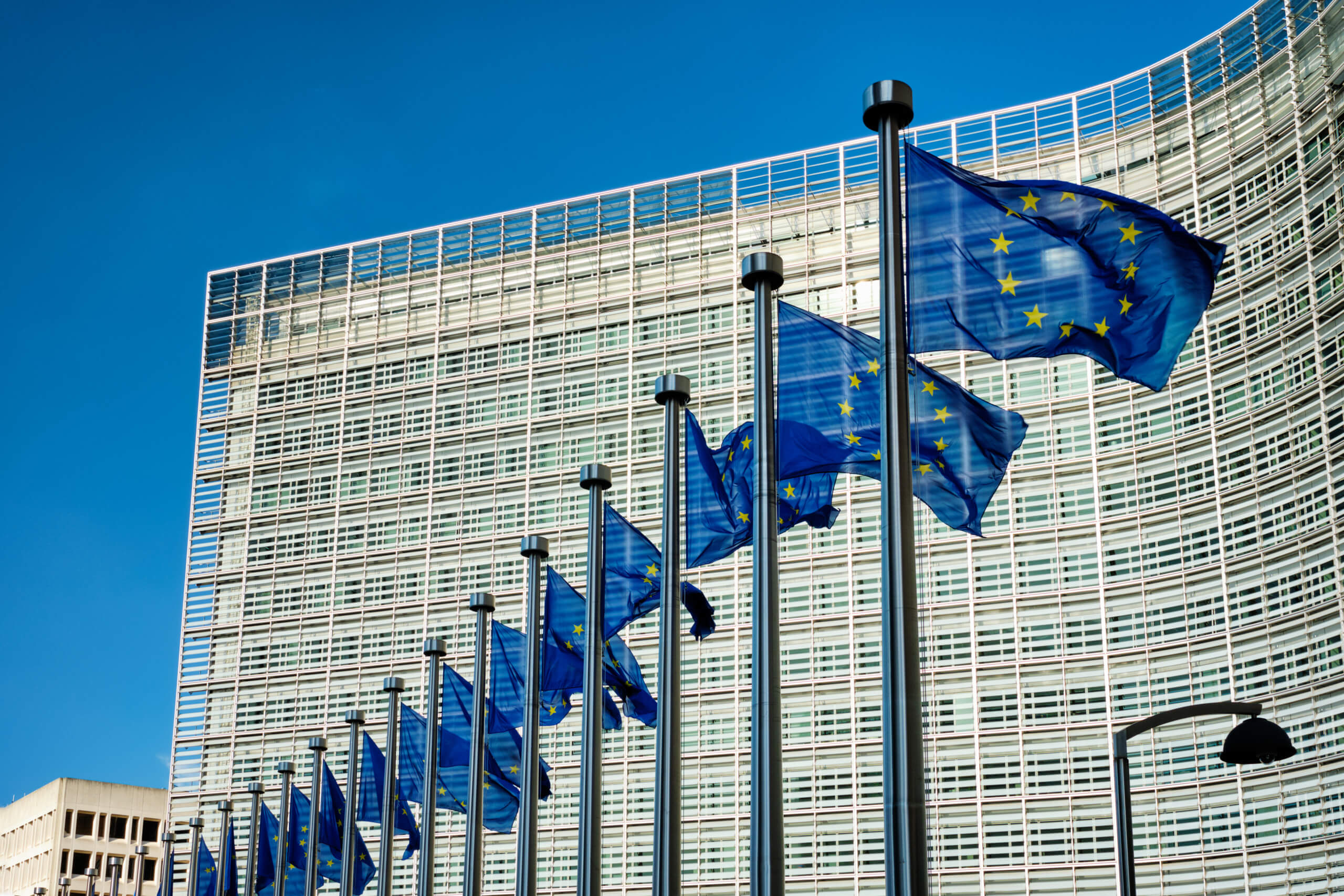
For us, social dialogue is not just about rights and responsibilities – it’s about shaping a future of work that is fair, innovative, and built on mutual trust.
With your experience both as a practitioner in the field and a representative of managers’ voices, what do you think European institutions still often misunderstand or overlook when it comes to management realities?
European policies often focus on very detailed, technical regulations – which, while important, can sometimes miss the bigger picture that managers have to keep in mind every day.
Managers must balance strategic goals, team dynamics, and long-term resilience, but overly granular rules can create unnecessary hurdles and limit their ability to act flexibly and decisively.
This disconnect means that legislation risks becoming a burden rather than an enabler. Managers face a reality where navigating complex, sometimes fragmented regulations takes time and energy away from leading and innovating.
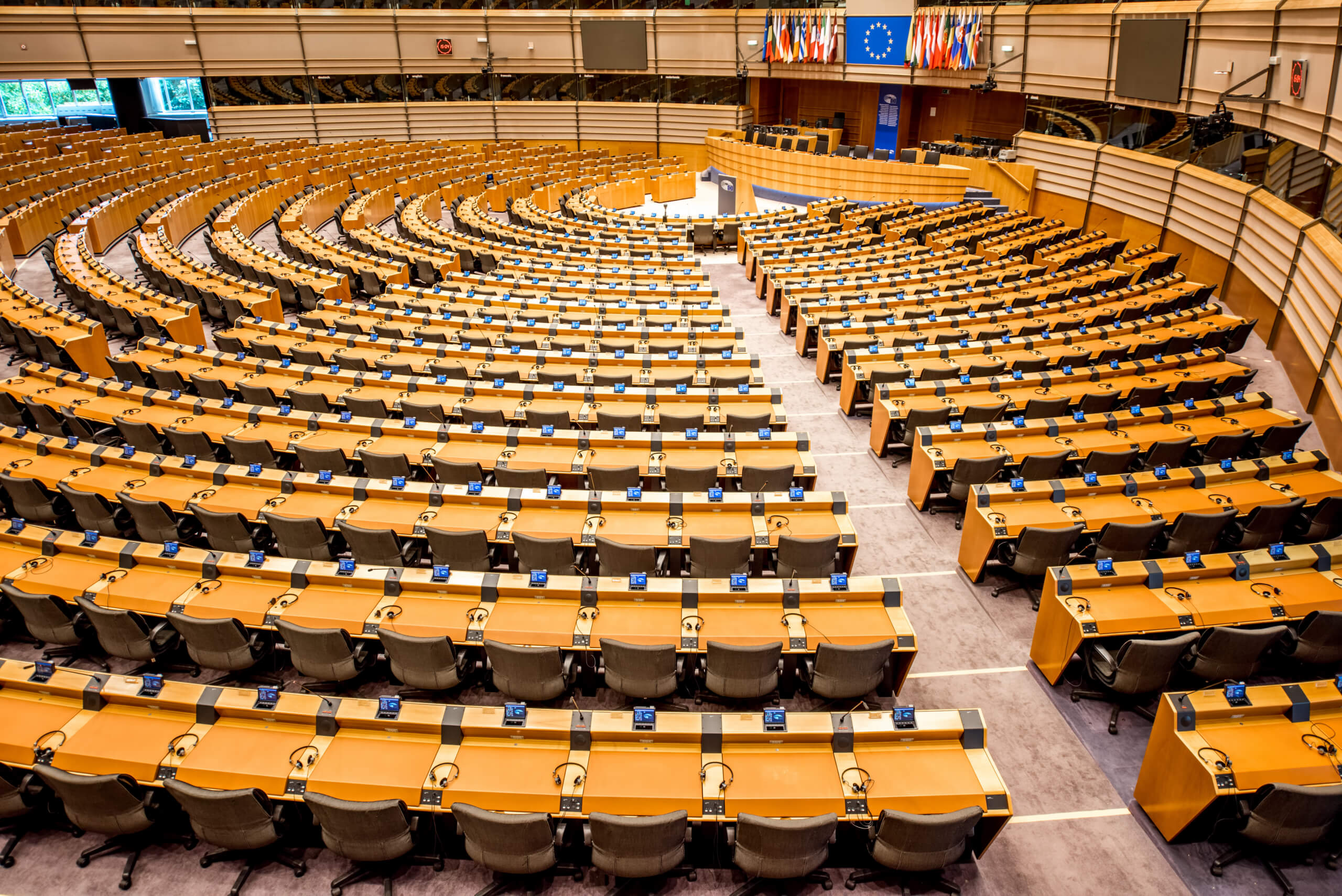 What’s needed is policy that trusts leadership to make informed decisions and provides frameworks that are clear, adaptable, and supportive.
CEC European Managers has launched the campaign #BeyondBias, after conducting an extensive research with the University of Southern Denmark. How is the situation of DEI policies in Germany?
Diversity, equity, and inclusion are no longer optional – they are essential for modern leadership and business success.
In Germany, awareness for DEI has grown significantly, but many organisations are still in the early stages of implementing effective policies. Too often, efforts remain fragmented or focused on compliance rather than embedding inclusion as a core value.
Go to the #BeyondBias campaign website [+]
The #BeyondBias campaign by CEC European Managers has clearly illustrated the unconscious biases that people are often subjected in the workplace.
It is crucial that these biases are brought to light, questioned, and addressed — and campaigns like this play an important role in raising awareness and fostering reflection.
At the same time, we see a worrying trend: some transatlantic corporations and globally operating companies are scaling back their DEI programs.
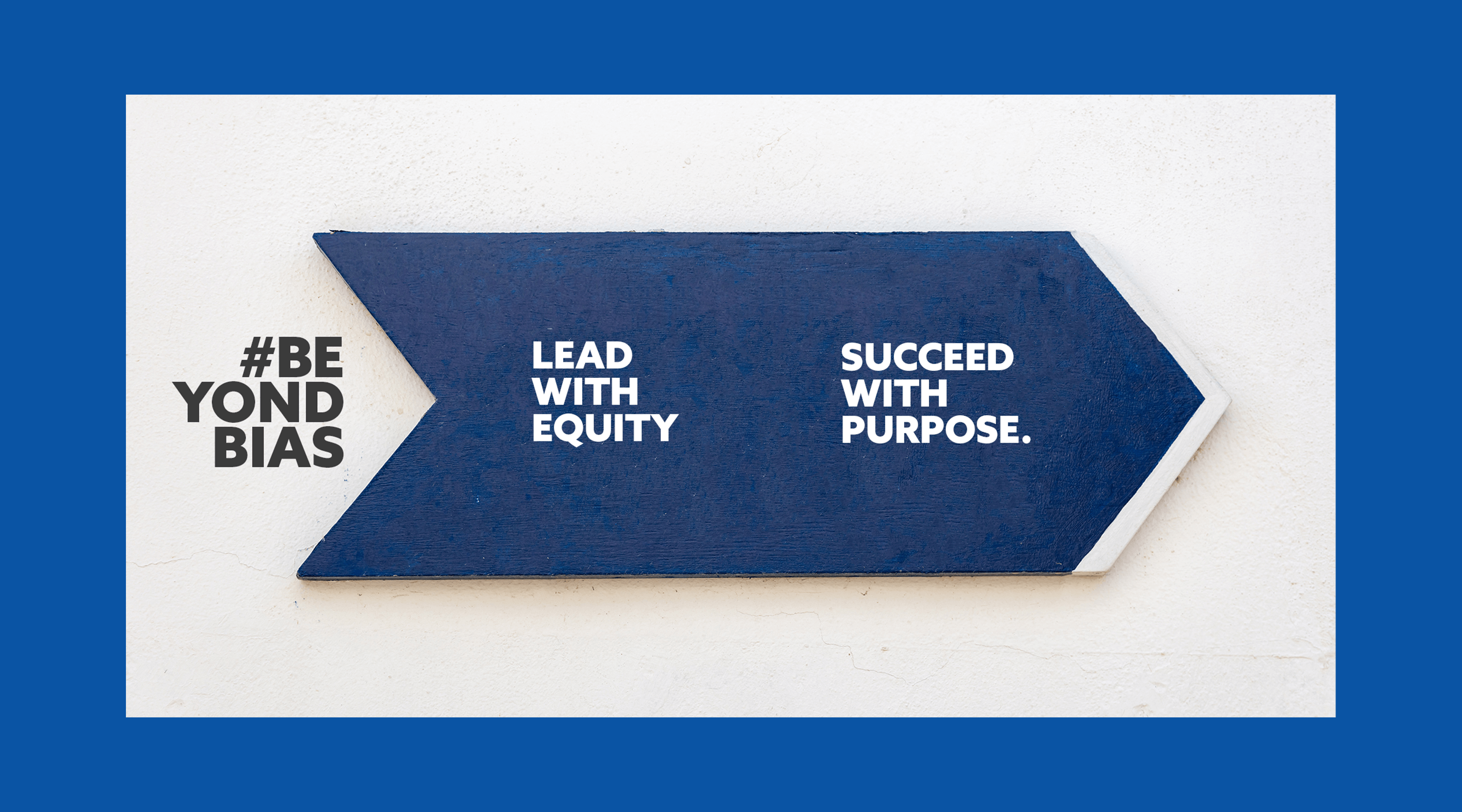
This puts managers in Germany in difficult positions, as expectations around inclusion remain high but support structures are shrinking.
At ULA, we stand firmly behind strong and sustained DEI efforts. We believe that meaningful inclusion requires commitment and continuity – not just initiatives on paper, but a leadership culture that lives these values every day.
We are convinced that more diverse teams are better teams – stronger, more creative, and better prepared for the challenges of tomorrow.
Have you ever felt discriminated against, or do you think you have discriminated against someone?
I am white, male, heterosexual, German – in short, I have many characteristics that are socially privileged. That doesn’t mean that everything has always been easy. But it does mean that for a long time I didn’t have to think about many things that are part of everyday life for others.
Have I ever discriminated against anyone myself? Unconsciously, definitely. Everyone in a leadership position has power – over words, over decisions, over structures.
I personally have never experienced systematic discrimination – but I have learned that this is not a free pass to absolve myself of responsibility.
And no one is free of blind spots. The important thing is whether you are willing to recognise them – and learn from them.
 That’s why leadership also means critically questioning yourself:
How inclusive am I, really? Who do I listen to – and who do I overlook?
Who feels seen, and who doesn’t? Discrimination often doesn’t start with malicious intent, but with a blind spot. And that’s exactly what I try to sharpen again and again.
How do you see the current situation in Germany around subjects such as inclusion and equity?
Inclusion and equity have gained much-needed attention in Germany, yet the journey is far from complete. Many organisations recognize the importance of creating workplaces where everyone feels valued and has equal opportunities, but translating these principles into everyday practice remains a challenge.
We still see structural barriers that hinder true inclusion—whether related to gender, ethnicity, or other dimensions of diversity.
Equity means more than equal treatment; it requires actively addressing these obstacles to ensure fair access and advancement.
For managers, this means leading with awareness and intention, fostering environments where diverse perspectives are heard and respected.
At ULA, we support leaders in developing the skills and culture needed to make inclusion and equity tangible, sustainable parts of their organisations.
Finally, let’s go back to the human side. What keeps you motivated in your dual role as a manager and a representative?
What motivates me? Quite simply: people – and the opportunity to make a difference.
Both roles are about taking responsibility. As a manager, I design projects and partnerships, drive issues forward and develop strategies. As a representative of senior management, I am committed to ensuring that leadership has a strong voice – within the organisation and beyond.
What drives me is the moment when conversations turn into action. When doubts give rise to new energy. When people feel seen and realise: Someone is really listening. Someone is fighting for us – with a sense of proportion, but also with a clear stance.
And yes – it’s not always easy to juggle both. But it’s precisely this tension that keeps me going. Because it reminds me again and again why I do what I do: Not for the position, but for the impact.
What is the hardest decision you have ever made?
The hardest decisions are often those where your head and your heart don’t automatically speak the same language.
 For me personally, one of the hardest decisions was to give up a leadership position that I was passionate about – not because I had to, but because I was convinced that the next step was more important for the company, the team and for myself.
Letting go is often harder than getting started. It means redefining responsibility – no longer through direct control, but through influence, experience and strategic decisions.
This decision showed me that good leadership does not mean always being at the forefront. Sometimes it also means making room – for new things, for others, for change.
And that is precisely what I consider to be a key leadership quality today: making decisions based on impact rather than prestige.
What advice would you give to younger professionals who are thinking about stepping into leadership – or even representation?
Stepping into leadership or representation is both a privilege and a responsibility. My advice to younger professionals is to embrace the complexity of these roles with curiosity and resilience.
Leadership isn’t just about authority – it’s about listening, learning, and building trust across diverse teams.
Don’t be afraid to bring your authentic self to the table. Diverse perspectives and experiences strengthen decision-making and innovation. At the same time, develop the ability to see the bigger picture and navigate between competing interests with clarity and integrity.
Finally, invest in continuous growth—both professionally and personally. Leadership is a journey, not a destination.
Seek mentors, be open to feedback, and remember that your influence can shape not just your organisation, but society as a whole.

Finish the sentence; Leadership is about…
…leading with vision and empathy, balancing people’s needs and performance. Giving confidence and creating an environment where innovation, trust and responsibility can flourish. And never losing your sense of humour!

